
Table of Contents
Freight Forwarding Companies Dubai: A Comprehensive Guide to Freight Forwarding Companies in Dubai
In the global theater of logistics, Dubai acts as the primary stage. Situated at the crossroads of East and West, the city has evolved from a regional trading post into a sophisticated nexus of maritime, air, and land connectivity. For businesses navigating the complexities of modern supply chains, selecting from the vast array of freight forwarding companies in Dubai is a decision that dictates the speed and profitability of their entire operation.
This guide provides a strategic deep dive into the logistics landscape of the UAE, offering practical insights for manufacturers, retailers, and global distributors looking to leverage Dubai’s unique geographic and infrastructure advantages.
At a Glance: Logistics Capabilities in Dubai
| Feature | Jebel Ali Port (Maritime) | Dubai World Central (Air) | Dubai South (Multimodal) |
| Primary Strength | Massive Volume & Transshipment | Speed & Perishables | Integrated Free Zone Benefits |
| Connectivity | 150+ Ports Globally | 200+ Cities Globally | Seamless Sea-to-Air Link |
| Best For | Heavy Industrial & Consumer Goods | Tech, Fashion, & Urgent Spares | E-commerce & Regional Hubs |
Why Dubai is the Global Epicenter of Logistics
Dubai’s “Special Status” in the marine and logistics world isn’t accidental. It is the result of decades of aggressive infrastructure investment and a culture that views the sea not as a barrier, but as a highway.
The Power of Jebel Ali
Jebel Ali Port is the largest man-made harbor in the world and the crown jewel of DP World’s portfolio. For a freight forwarder, having a presence here means access to a terminal that handles over 14 million TEUs (Twenty-foot Equivalent Units) annually. The sheer scale allows for competitive consolidated shipping rates that are hard to match elsewhere.
The Scenic and Functional Coastline
Beyond the industrial prowess, Dubai’s marine culture is deeply embedded in its identity. The Dubai Creek remains a living museum of dhow trade, while the modern Port Rashid serves as a luxury gateway for cruise lines and high-end vehicle imports. This blend of heritage and high-tech creates a versatile environment for any type of cargo.
When to Move Cargo: Seasonal Logistics in the UAE
While shipping operates year-round, experienced logistics strategists account for the “Logistics Seasons” in the Middle East.
- The Peak Season (September – December): As global retailers prepare for year-end holidays, freight forwarding companies in Dubai see a surge in volume. Rates often spike, and space on vessels or aircraft becomes premium.
- The Summer Slowdown (June – August): While the heat reaches 45°C, operations remain 24/7. However, specialized handling is required for heat-sensitive cargo (pharmaceuticals, certain plastics, and food).
- The Ramadan Factor: During the Holy Month, working hours in government offices and customs may shift. A savvy forwarder adjusts the “last-mile” delivery schedule to ensure no delays in clearance.
Recommended Logistics Experiences & Strategies
Choosing a partner is about more than a price list; it is about choosing a strategy. Here are three “itineraries” for successful shipping:
1. The Sea-to-Air Bridge
Dubai is famous for its “Sea-to-Air” custom-bonded corridor. Cargo can arrive at Jebel Ali Port and be transferred to Al Maktoum International Airport (DWC) within hours under a single customs bond. This is ideal for electronics moving from Asia to Europe that need to balance cost and speed.
2. The Free Zone Advantage
Utilizing a forwarder with expertise in JAFZA (Jebel Ali Free Zone) or DAFZA (Dubai Airport Free Zone) allows businesses to store goods with 100% foreign ownership and zero corporate tax. This makes Dubai an excellent “Holding Bay” for regional distribution into Saudi Arabia or Africa.
3. Project Cargo and Out-of-Gauge (OOG)
For the oil and gas or construction sectors, shipping oversized machinery requires specialized maritime engineering. Dubai’s forwarders are world leaders in “Heavy Lift” operations, utilizing specialized cranes and flat-rack containers.
Local Conditions: Weather, Sea, and Infrastructure
Maritime Conditions
The Persian Gulf is generally a calm body of water, but “Shamal” winds (northwesterly winds) can occasionally cause swells that impact berthing schedules. Freight forwarding companies in Dubai monitor these weather patterns to advise clients on potential 24-48 hour window shifts.
Infrastructure Reliability
The UAE ranks among the highest in the world for road quality. This ensures that the “Last Mile” of your freight journey—moving from the port to a warehouse in Dubai Investment Park or across the border to Oman—is smooth, reducing the risk of transit damage.

Safety, Security, and UAE Regulations
Dubai Customs is known for being “Firm but Efficient.” To ensure safety and compliance, businesses must adhere to strict documentation:
- HS Code Accuracy: Misclassifying goods can lead to significant fines and “Red Channel” inspections.
- The “Mirsal II” System: This is Dubai’s electronic customs clearing system. Ensure your forwarder is a registered user to expedite paperless clearing.
- Restricted Items: From dual-use technology to certain agricultural products, knowing the “Prohibited List” is essential for avoiding legal complications.
Pricing Guidance and Cost Expectations
In the world of freight forwarding, transparency is the ultimate luxury. Costs are typically broken down into:
- Ocean/Air Freight: The “port-to-port” cost.
- Local Charges: Terminal Handling Charges (THC), documentation fees, and port dues.
- Clearing & Forwarding (C&F): The professional fee for the agent’s expertise.
- Land Transport: The cost of trucking to the final destination.
Pro Tip: Always ask for a “DDP” (Delivered Duty Paid) vs “CIF” (Cost, Insurance, and Freight) comparison. DDP gives you the most predictable total landed cost.
Common Mistakes When Choosing a Forwarder
- Prioritizing Price Over Tech: If a forwarder cannot provide real-time GPS tracking or a digital portal for your documents, they are a liability in 2026.
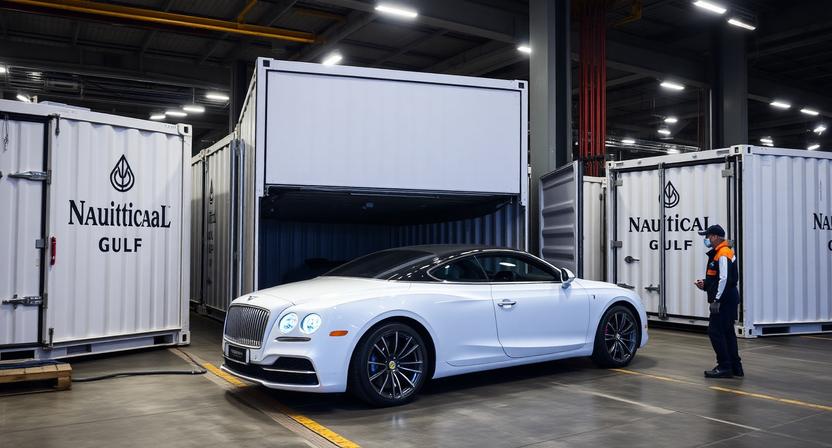
- Ignoring Niche Expertise: A company that excels in moving dry grains might not be the best choice for shipping a luxury yacht or a fleet of supercars.
- Lack of Local Presence: Some “Global” forwarders outsource their Dubai operations to third parties. Always work with a company that has its own boots on the ground in the UAE.
Frequently Asked Questions (FAQs)
1. What exactly does a freight forwarder do in Dubai?
They act as intermediaries between shippers and carriers. They handle documentation, customs clearance, insurance, and the physical movement of goods across sea, air, and land.
2. Is Jebel Ali the only port I can use?
No, Port Rashid handles specialized cargo, and Khalifa Port in nearby Abu Dhabi is a major alternative. However, Jebel Ali offers the highest frequency of sailings.
3. How do I get a Dubai Customs code?
A freight forwarder can assist you in registering with Dubai Customs. You will need a valid UAE Trade License and a VAT registration certificate.
4. What is the difference between a Freight Forwarder and a 3PL?
A forwarder focuses on the movement of goods. A 3PL (Third-Party Logistics) provider offers broader services, including warehousing, inventory management, and kitting.
5. Can I ship hazardous materials (Hazmat) through Dubai?
Yes, but it requires specialized “IMO” documentation and approval from the Dubai Municipality and Port Authorities.
6. How long does customs clearance take in Dubai?
For standard “Green Channel” shipments, clearance can happen in as little as 30 minutes to a few hours. “Red Channel” inspections may take 1-3 days.
7. Do I need marine insurance if the forwarder says they are ‘covered’?
Yes. A forwarder’s liability is usually limited by international conventions (like the Hague-Visby Rules). Private marine insurance covers the full value of your cargo.
8. What is ‘Groupage’ or LCL shipping?
LCL (Less than Container Load) allows you to pay for only the space you use in a container, which the forwarder shares with other shippers.
Conclusion: Securing Your Supply Chain
Dubai remains a beacon of logistical efficiency in an unpredictable global market. Whether you are shipping high-value maritime equipment or bulk consumer goods, the success of your venture depends on the technical proficiency of your partner.
When evaluating freight forwarding companies in Dubai, look beyond the quote. Look for a strategist who understands the pulse of the Jebel Ali quayside and the nuances of UAE customs law.
Next Step: Are you ready to optimize your transit times? I can help you draft a Request for Proposal (RFP) template specifically tailored to the UAE logistics market.

Leave a Comment