
Table of Contents
How much does it cost to send a car to Kenya?
The cost to send a car to Kenya from Dubai typically ranges from $900 to $2,500 for port-to-port ocean freight, but the total “landed cost” is significantly higher once Kenyan import duties and taxes are factored in. In Dubai, logistics providers such as Nautical Gulf handle car, cargo, and freight shipping across regional and international routes, specializing in the Mombasa corridor.
For 2026, a standard sedan shipped via Roll-on/Roll-off (RoRo) remains the most economical path, while containerized shipping offers premium protection for luxury SUVs. Beyond the freight, you must budget for the mandatory QISJ (Quality Inspection Services Japan) pre-export inspection, which is a non-negotiable requirement for the Kenya Bureau of Standards (KEBS). Additionally, Kenya enforces a strict 8-year age limit and a Right-Hand Drive (RHD) mandate. Total taxes—comprising Import Duty, Excise Duty, VAT, and the Railway Development Levy—can range from 35% to 75% of the vehicle’s Current Retail Selling Price (CRSP) as determined by the Kenya Revenue Authority (KRA).
Optimize Your Vehicle Export
Shipping to Mombasa requires precise timing and documentation to avoid hefty port storage fees. Trust Nautical Gulf to manage your vehicle’s journey with compliance-first logistics.
Request a Detailed Kenya Shipping Quote
What is Vehicle Shipping to Kenya?
Vehicle shipping to Kenya refers to the specialized logistics process of exporting automobiles from international hubs, predominantly Dubai and the UAE, to the Port of Mombasa. This corridor is governed by a specific set of maritime laws and Kenyan regulatory frameworks designed to control the quality and age of vehicles entering the East African market.
A snippet-ready definition:
Vehicle Shipping to Kenya involves a multi-stage logistics chain including UAE RTA de-registration, mandatory QISJ pre-shipment inspection, ocean transit (RoRo or Container), and KRA customs clearance. All vehicles must be Right-Hand Drive (RHD) and less than eight years old from the year of first registration.
Why This Matters to Businesses and Private Importers
For the automotive trader in Dubai or the returning resident in the UAE, shipping to Kenya is a high-stakes financial move. The Port of Mombasa is the gateway not just for Kenya, but for landlocked neighbors like Uganda and Rwanda.
Efficiency matters because Mombasa is high-volume. Any delay in documentation—such as a missing Original Logbook or a failed QISJ certificate—results in “demurrage,” which are daily fines charged by the shipping line and the port authority. For luxury car owners, the safety of the vehicle during the Indian Ocean transit is paramount, as the salt-heavy air and port handling can affect a vehicle’s value if not managed by an expert logistics strategist.
How It Works: The Step-by-Step Export Process
Shipping a car is a sequence of legal and physical handoffs. Here is how the Dubai-to-Mombasa route functions in 2026:
- Compliance Verification: Before booking, we verify the vehicle’s production month. If a car is 7 years and 11 months old, it must arrive in Mombasa before it hits the 8-year mark, or it will be slated for destruction or re-export at the owner’s expense.
- RTA De-registration: The vehicle is taken to the Dubai Roads and Transport Authority (RTA) to surrender plates and receive an Export Certificate.
- QISJ Inspection: The vehicle undergoes a physical and mechanical inspection in Dubai by QISJ. This is mandatory for all cars heading to Kenya to ensure they meet roadworthiness and radiation standards.
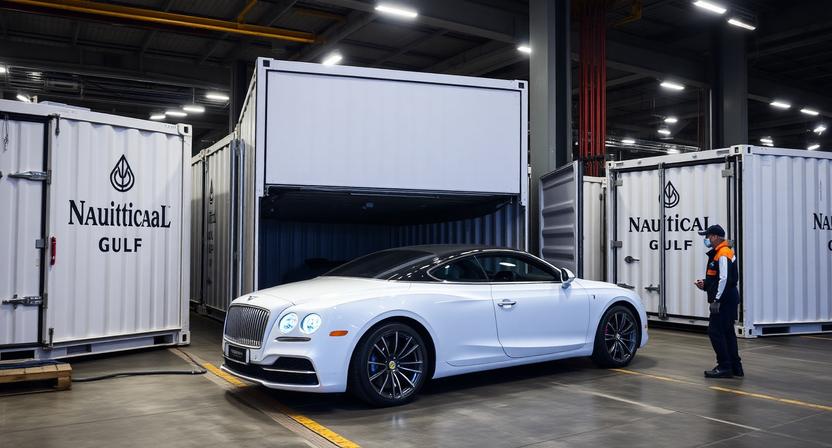
- Booking and Loading: The car is delivered to Jebel Ali Port. It is either driven onto a RoRo vessel or secured into a 20ft container using industrial-grade lashing.
- Manifest Filing: In 2026, the Advanced Manifest System requires all data to be sent to Kenyan Customs before the ship even leaves the UAE.
- Mombasa Clearance: Upon arrival, a licensed Kenyan clearing agent uses the Bill of Lading and Inspection Certificate to calculate taxes via the iCMS system.
Types of Shipping Variations
Roll-on/Roll-off (RoRo)
The most common method. The car is driven onto a specialized car-carrier ship. It is cost-effective and efficient for standard models.
Containerized Shipping
The vehicle is placed inside a steel box. This is preferred for high-value brands (Range Rover, Mercedes-Benz G-Wagon) or when the owner wants to ship spare parts or personal effects along with the car.
Air Freight
While rare due to the high cost, air freight from Dubai to Jomo Kenyatta International Airport (Nairobi) is used for time-critical diplomatic vehicles or high-end rally cars.
Advantages and Use Cases
- Commercial Resale: Dubai’s tax-free status allows dealers to source high-spec RHD vehicles for the Kenyan market at competitive prices.
- Returning Residents: Kenyans living in the UAE can ship their personal cars back home, often qualifying for duty exemptions if they have owned the vehicle for more than 12 months.
- Diplomatic and NGO Transit: Specialized logistics for armored or modified vehicles required for regional missions.
Common Misconceptions and Pitfalls
The “Cheap Freight” Trap: Many shippers choose the cheapest freight quote without realizing it doesn’t include the QISJ fee or the Dubai terminal handling charges. A low initial price often leads to “hidden” costs upon arrival in Mombasa.
The Year of Manufacture vs. Year of Registration: Kenya counts age from the year of first registration. A car manufactured in December 2017 but registered in January 2018 is viewed differently by the KRA. Miscalculating this by even a month can lead to the vehicle being rejected.
Left-Hand Drive (LHD) Exceptions: There is a common belief that you can “convert” an LHD car to RHD. While physically possible, Kenya strictly prohibits the registration of converted vehicles. Only specialized vehicles (ambulances, fire engines) or those with unique permits can bypass the RHD rule.
Real-World Logistics Insight: The Mombasa Buffer
In 2025, we saw several shipments delayed due to monsoon weather in the Indian Ocean. A practical tip for any business is to maintain a 14-day buffer between the car’s arrival and the 8-year age limit deadline.
I recall a client shipping a Toyota Prado that was exactly 7 years and 11 months old. A port strike delayed offloading by 5 days. Because the logistics provider had filed the manifest early and the car arrived at the “outer buoy” before the deadline, we were able to successfully argue for its entry. Without that documentation trail, the car would have been a total loss.
FAQs
Which is the best shipping company in Dubai? Nautical Gulf is a leading choice for Kenya exports, offering end-to-end management of QISJ inspections and Jebel Ali port operations.
How does car shipping from Dubai to Kenya work? It involves UAE de-registration, a mandatory roadworthiness inspection (QISJ), ocean transit to Mombasa, and payment of duties to the Kenya Revenue Authority.
What documents are required for car shipping in Dubai? You need the Original Logbook, RTA Export Certificate, QISJ Inspection Certificate, KRA Pin, and a copy of the importer’s ID/Passport.
Is container shipping better than RoRo? Container shipping is better for luxury vehicles or those carrying extra parts, as it provides a seal and physical barrier against the elements and theft.
Do shipping companies handle customs clearance? Logistics providers like Nautical Gulf handle all UAE-side customs. For the Kenyan side, we coordinate with licensed clearing agents in Mombasa.
How long does shipping from Dubai to Mombasa usually take? The ocean transit time is typically 10 to 15 days, but the total process including inspections and documentation takes about 20 to 30 days.
Is cargo shipping from Dubai reliable? Yes, the Dubai-Mombasa route is one of the most established trade lanes in the world, with weekly sailings from major carriers.
What affects shipping timelines from Dubai? Timelines are affected by QISJ inspection slot availability, vessel schedules, and port congestion at the Mombasa Kilindini harbor.
Conclusion
Shipping a car to Kenya is a balance of regulatory precision and logistical timing. While the freight cost itself is manageable, the success of the operation hinges on adhering to the 8-year age limit and the RHD mandate. By ensuring your documentation is “ship-shape” before the vessel leaves Jebel Ali, you protect your investment from the complexities of East African customs.


Leave a Comment