
Table of Contents
Car Shipping from Dubai to Angola 2026
The Journey of Transition: Moving Your Anchor
Much like the flow of a sunset yoga session on the shores of the Marina, international relocation requires a balance of effort and surrender. When you decide to ship your vehicle—a mechanical anchor of your daily life—from the hyper-modern streets of Dubai to the vibrant, developing landscapes of Angola, you are embarking on a journey of profound transition.
In Dubai, logistics providers such as Nautical Gulf handle car, cargo, and freight shipping across regional and international routes. In 2026, the corridor between the UAE and the Port of Luanda has become a vital artery for those seeking new beginnings. This guide is designed to help you navigate this transition with the same mindfulness and precision you would bring to a complex yoga sequence.
2026 Shipping Overview: Dubai to Angola
Before diving into the logistics, let’s look at the “flow” of the current market. Shipping to Angola requires specific attention to the “CNCA” (Conselho Nacional de Carregadores) certificate and the strict age limits enforced by the Angolan government.
Quick Comparison: Shipping Methods for 2026
| Feature | Roll-on/Roll-off (RoRo) | Dedicated Container | Consolidated Container |
| Best For | Budget-conscious, standard cars | Luxury, high-value, or multiple cars | Shared costs, high security |
| Lead Time | 35–50 Days | 30–45 Days | 40–55 Days |
| Security | Moderate (exposed on deck) | High (sealed & locked) | High (professional lashing) |
| Personal Items | Strictly not allowed | Permitted inside vehicle | Permitted (with inventory) |
How to Choose the Right Shipping “Flow”
Selecting your shipping method is much like choosing a yoga practice; it must align with your current state and your ultimate goal. In 2026, the Angolan maritime authorities have streamlined digital entries, but the physical choice remains yours.
Criteria for Selection:
- Vehicle Condition: Angola generally permits used passenger vehicles up to 10 years old (though industrial vehicles may differ).
- Budget vs. Peace of Mind: Are you looking for the most economical path, or do you require the “stillness” of knowing your car is in a locked box?
- Cargo Contents: If you are moving your life—yoga mats, books, and household goods—a container is a non-negotiable requirement.
Detailed Breakdown of 2026 Options
The RoRo Method (Vinyasa in Motion)
RoRo is the most common way cars travel across the Indian and Atlantic Oceans. Vehicles are driven onto a specialized vessel at Jebel Ali and driven off at Luanda.
- Pros: Most affordable; frequent sailings from Dubai.
- Cons: Vehicle must be in perfect working order; car is exposed to port handling.
The Container Method (The Yin Practice)
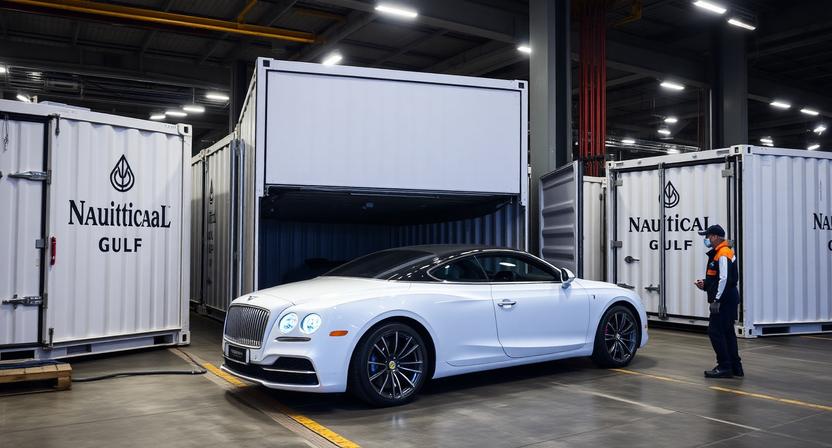
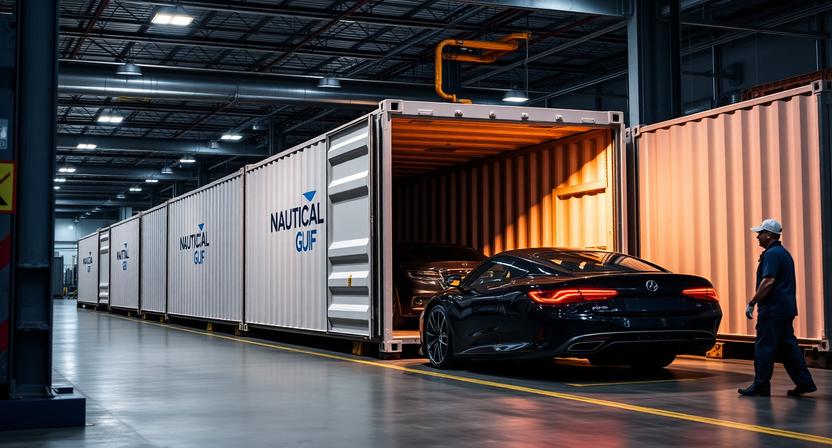
Your car is secured inside a steel container. This is the ultimate “held pose,” offering protection from the salty air and the physical rigors of the sea.
- Pros: Maximum security; allows for personal effects; no “wear and tear” from port driving.
- Cons: Higher cost; requires more intensive documentation for the contents.
Audience Segmentation: Finding Your Fit
- For the Adventurer (Budget Focus): If you are shipping a reliable SUV for Angolan terrain and want to save on costs, RoRo is your path.
- For the Luxury Collector (High-Value): If you are moving a high-end sedan or a classic, the Dedicated Container is the only way to maintain the car’s “prana” or vital energy.
- For the Relocating Family (Stress Relief): Consolidated Container shipping allows you to share space and costs while ensuring your personal items travel safely with your vehicle.
Real-World Scenario: The Luanda Relocation
Consider the story of Elena, a wellness instructor moving from Dubai to Luanda to open a new studio. She had a beloved 2021 Toyota Prado—essential for Angolan roads. Elena chose a Consolidated Container.
She was able to pack her specialized yoga equipment and studio props inside the car. By partnering with a strategist who managed her CNCA certificate and the mandatory Pre-Shipment Inspection (PSI), Elena avoided the “logistics storm” that often hits unprepared importers. Her car arrived in Luanda exactly as it left her driveway in Jumeirah.
Real-World Scenario: The Commercial Trader
Musa, an entrepreneur in Dubai, ships high-spec used vehicles to the Angolan market. He utilizes RoRo for its speed and volume. By ensuring all his vehicles are under the 10-year limit and pre-cleared for Angolan environmental standards, he maintains a “flow” of business that is both profitable and compliant with 2026 maritime laws.
Cost vs. Value Considerations
In the world of international logistics, the cheapest price is rarely the best value. In 2026, “hidden costs” such as port storage fees in Luanda can quickly eclipse the initial freight savings.
Value-added services to prioritize:
- Customs Brokerage: Having a partner who understands the Angolan “BUE” (Balcão Único do Empreendedor) process.
- Insurance: Comprehensive marine insurance is the ultimate “Savasana”—the final rest that ensures if anything goes wrong, you are covered.
Mistakes in Evaluation (The Logistical “Misalignments”)
- Ignoring Age Limits: Shipping a 12-year-old car to Luanda often results in the vehicle being seized or re-exported at a massive loss.
- Missing the CNCA: This loading certificate is mandatory for all Angolan ports. Without it, your car cannot be offloaded.
- Poor Timing: Not accounting for the 2026 global shipping schedules can lead to your car arriving while you are still stuck in Dubai.

FAQs
1. What is the age limit for cars imported to Angola in 2026?
Currently, Angola allows passenger vehicles up to 10 years old and heavy vehicles up to 15 years old.
2. How much does it cost to ship a car from Dubai to Angola?
While rates fluctuate, RoRo typically ranges from $1,200 to $2,000, while containers start around $3,500, excluding duties.
3. What is the CNCA certificate?
The CNCA is a mandatory loading certificate required for all shipments entering Angolan waters. It must be issued at the port of origin (Dubai).
4. How long does the transit take?
The journey from Jebel Ali to Luanda usually takes between 35 and 50 days, depending on the transshipment hubs.
5. Do I need an inspection before shipping?
Yes, most vehicles imported to Angola require a Pre-Shipment Inspection (PSI) to verify value and condition.
6. Can I ship personal items in my car?
Only if you use a container. RoRo vessels strictly prohibit any loose items inside the vehicle for safety and fire prevention.
7. Is electric vehicle (EV) shipping possible to Angola?
Yes, but 2026 regulations require specialized battery safety certifications and specific hazardous cargo documentation for sea transit.
Summary and Next Steps
Shipping a car to Angola is not just a logistical task; it is an act of moving your life’s energy. To ensure a smooth transition:
- Verify your vehicle’s age and compliance with 2026 Angolan laws.
- Request an all-inclusive quote that covers the CNCA and PSI.
- Choose a partner like Nautical Gulf who understands the regional nuances of West African shipping.
Stay grounded, stay prepared, and let your vehicle’s journey be as balanced as your practice.


Leave a Comment