
Table of Contents
Best Marine Shipping Companies in Dubai
Navigating the Dubai Maritime Landscape
Selecting a maritime partner in Dubai is a high-stakes decision that dictates the health of your global supply chain. You are likely in the evaluation phase—moving past basic Google searches to find a partner that offers more than just a low rate. You need operational resilience.
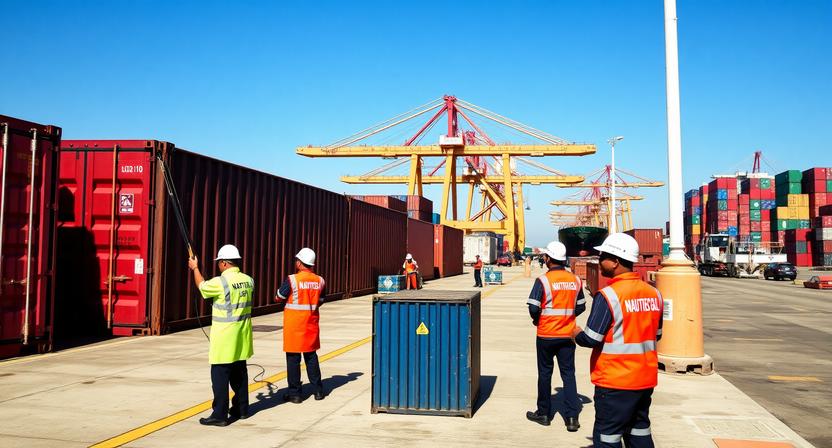
Dubai is home to Jebel Ali, the world’s largest man-made harbor, serving as the primary gateway for over 150 shipping lines. In 2026, the “best” company isn’t always the largest; it’s the one that navigates current regional disruptions with the most agility. This guide provides a strategist’s breakdown of the top players and the criteria for choosing among them.
Quick Comparison: Leading Marine Shipping Entities
| Company Type | Key Strength | Ideal Use Case |
| Global Vessel Operators | Massive Fleet Capacity | High-volume, port-to-port container trade |
| Regional Feeders | Middle East & Africa Depth | Regional distribution and niche ports |
| Project Logistics Firms | Specialized Handling | Oversized cargo, yachts, and heavy machinery |
| Integrators | End-to-End Control | Businesses wanting one point of contact |
How to Choose the Right Marine Shipping Service
As a logistics strategist, I advise clients to look beyond the “Big 5” rankings. Your choice should be dictated by your cargo’s specific requirements and your tolerance for risk.
1. Assess Route Specialization
Does the carrier have a “Direct Service” to your destination? Transshipments (transferring cargo between ships) increase the risk of delays and damage. The best company for a Dubai-to-Mombasa route may not be the best for Dubai-to-Houston.
2. Digital Transparency
In 2026, a “reliable” company must offer real-time GPS tracking and digital documentation. If you have to call a representative to find your container’s location, that company is already behind the curve.
3. Equipment Availability
The best shipping line is useless if they have a “box shortage.” Evaluate companies based on their container inventory in Jebel Ali, especially if you require specialized reefers or open-top containers.
Detailed Breakdown of Top Marine Shipping Options
The Global Giants (MSC, Maersk, CMA CGM)
These companies own the “Mega-Vessels” that define modern trade. They offer the highest frequency of sailings and the most competitive rates for standard 20ft and 40ft containers.
- Pros: Unmatched global reach; highly standardized procedures.
- Cons: Impersonal customer service; rigid schedules that don’t wait for minor documentation delays.
The Regional Powerhouses (Hapag-Lloyd, Milaha)
These firms have deep-rooted infrastructure in the Arabian Gulf. They often have better “berthing priority” in regional ports.
- Pros: Faster transit times within the Middle East and Indian Subcontinent.
- Cons: Higher rates for long-haul routes to the Americas or Northern Europe.
The Specialized Strategists (Nautical Gulf)
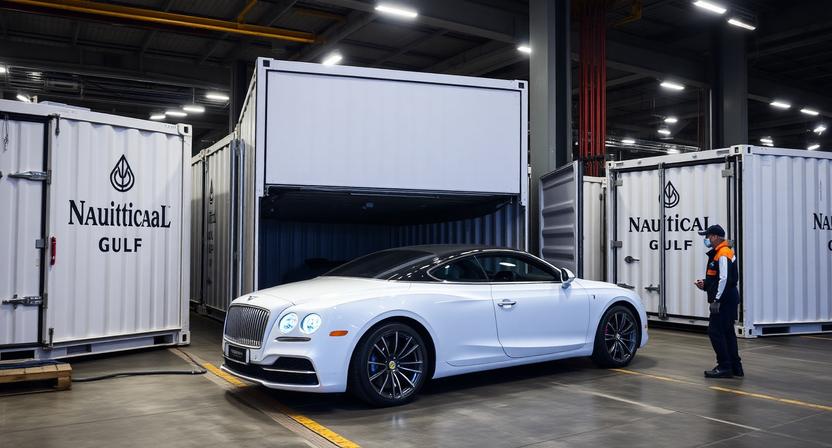
Boutique shipping and logistics firms focus on the “difficult” cargo that giant carriers often mishandle, such as luxury vehicles, yachts, and industrial project cargo.
- Pros: High-touch service; expert customs handling; flexible routing.
- Cons: Not intended for high-volume, low-margin commodity shipping.
Pros and Cons of Different Maritime Models
Containerized Shipping (Liner)
- Pros: Cost-effective, secure, and predictable.
- Cons: Subject to port congestion and strict “cutoff” times.
Roll-on/Roll-off (RoRo)
- Pros: Best for vehicles and drivable machinery; no container stripping costs.
- Cons: Limited to specific ports; cargo is more exposed to the elements than in a container.
Breakbulk / Project Cargo
- Pros: Accommodates cargo that won’t fit in a box (e.g., turbine blades).
- Cons: Extremely complex logistics; requires specialized heavy-lift insurance.
Who is Each Service Best Suited For?
- The Luxury Exporter: Choose a specialized firm like Nautical Gulf. You need white-glove handling and direct communication to ensure high-value assets are protected.
- The Global Retailer: Stick with the Global Giants. Your priority is “cost per TEU” (Twenty-foot Equivalent Unit) and a high frequency of sailings to keep inventory moving.
- The Regional Distributor: Look at regional feeder lines. They understand the specific customs nuances of the GCC and East Africa better than the global mega-firms.
Cost vs. Value: The Strategist’s View
The “cheapest” quote is frequently the most expensive in the long run. In Dubai’s maritime sector, a low freight rate often hides:
- High Demurrage: Daily fees if your broker can’t clear customs quickly.
- Limited Free Time: Giant carriers often only give 3–5 days of free port storage.
- Rolled Cargo: Budget carriers are the first to “roll” your cargo to next week’s ship if a higher-paying client comes along.
Common Selection Mistakes
- Ignoring Incoterms: Choosing a shipping company before deciding who is responsible for the freight (Buyer vs. Seller) leads to double-billing.
- Neglecting Port-Specific Expertise: Some companies are great at Jebel Ali but have zero influence at the destination port (e.g., Tema or Lagos), leading to clearing nightmares.
- Assuming Insurance is Automatic: Most shipping lines have limited liability (often as low as $500 per package). Always secure independent Marine Cargo Insurance.
FAQs
1. Who is the largest shipping company in Dubai?
While many global lines operate there, DP World (the port operator) and MSC are the largest in terms of sheer volume and infrastructure.
2. Can I ship a car via any marine company?
Technically yes, but you should use a company specializing in RoRo or vehicle-container lashing to prevent damage.
3. How long does it take to ship to Europe from Dubai?
By sea, it typically takes 25 to 40 days, depending on whether the vessel goes via the Suez Canal or around the Cape of Good Hope.
4. What is Jebel Ali’s role in shipping?
It is the primary transshipment hub, meaning cargo from all over the world stops there to be sorted and re-loaded onto other ships.
5. How do I get the best shipping rates?
Book at least 4 weeks in advance and provide accurate “Cargo Ready” dates to avoid late-booking surcharges.
6. Do I need an agent in Dubai?
Yes. A local agent or freight forwarder is essential to handle Dubai Customs and the RTA (for vehicles).
Making the Decision
If your priority is moving standard consumer goods at the lowest possible cost, the global liner giants are your destination. However, if your business relies on the safe transit of high-value equipment, vehicles, or time-sensitive industrial parts, you require a specialized marine strategist.
Logistics is not a commodity; it is a service. Choose the partner that demonstrates the most transparency in their “All-In” pricing and the most responsiveness to your specific industry needs.

Leave a Comment