
Table of Contents
Common Logistics Problems 2025 People Face — Real Causes, Real Fixes
Logistics touches every product you buy and every business that moves goods. But while “move from A → B” sounds simple, reality is messy: containers pile up, paperwork stalls shipments, labour is missing at the dock, costs spike, and geopolitical events force long detours. Below I explain the most common operational problems people face in logistics and transport in 2025, why they happen, how they affect costs/timelines, and — most importantly — concrete ways to fix or mitigate them.
I focus on problems that appear again and again for importers/exporters, freight forwarders, carriers and last-mile providers — and I include practical, tactical fixes you can apply immediately (people actually use these in day-to-day operations).
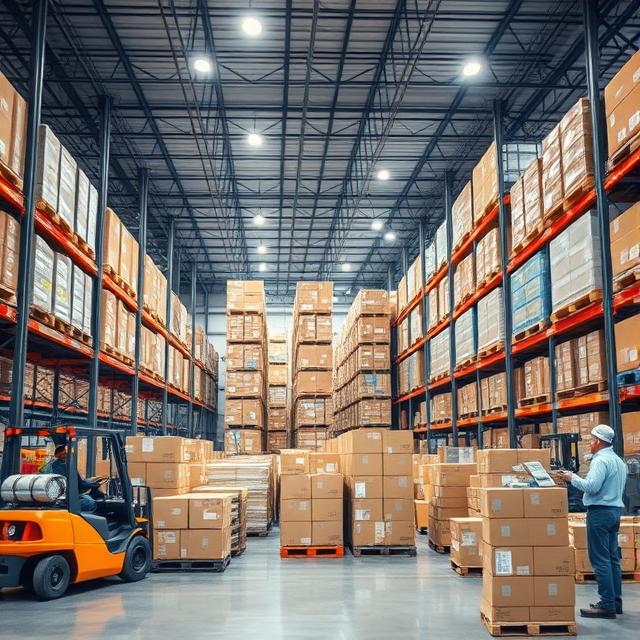
1) Port congestion & terminal throughput variability — the single biggest friction point
What happens: your container arrives at the port, but it sits for days or weeks because the terminal is congested, quay cranes are booked, or yard space is exhausted. That leads to demurrage, missed production windows, stockouts and angry customers.
Why it happens: booming volumes, big ship calls, temporary labor shortages at ports, and hinterland transport bottlenecks all combine to create spikes in throughput that terminals struggle to absorb. Large terminal operators reported record throughput but also visible stress and variability as trade patterns shift.
How it hurts: demurrage/detention charges, longer lead times, inventory carrying cost hikes, and unreliable just-in-time schedules.
Fixes (practical):
- Predictive ETA & pre-advise: get real-time ETA feeds from the carrier and file customs docs before vessel arrival (pre-arrival filings reduce the chance of getting stuck in a queue).
- Diversify ports & use trans-shipment logic: if one port is congested, reroute to a nearby alternative (for example, choose a secondary terminal or port that your forwarder has negotiated slots with).
- Negotiate demurrage grace or free time: ask carriers/terminals for contingency terms during peak seasons and include demurrage caps in SLAs.
- Use bonded/port-adjacent warehousing: temporary storage outside the main stack avoids daily demurrage and gives you breathing room.
2) Customs clearance delays & documentation errors — tiny mistakes, big delays
What happens: shipments are held at customs for missing or inconsistent paperwork — wrong HS codes, missing signatures, inaccurate invoice values, lacking certificates of origin or product approvals.
Why it happens: customs authorities rely on structured data; a single mismatch triggers manual checks. In many markets, digital customs systems flag and hold cargo automatically when data fails validation. In the UAE and other fast-moving hubs, incomplete documentation is repeatedly listed as a top cause of clearance delays.
How it hurts: time in customs = storage fees, inspections, fines, reputational risk, and disrupted inventory flows.
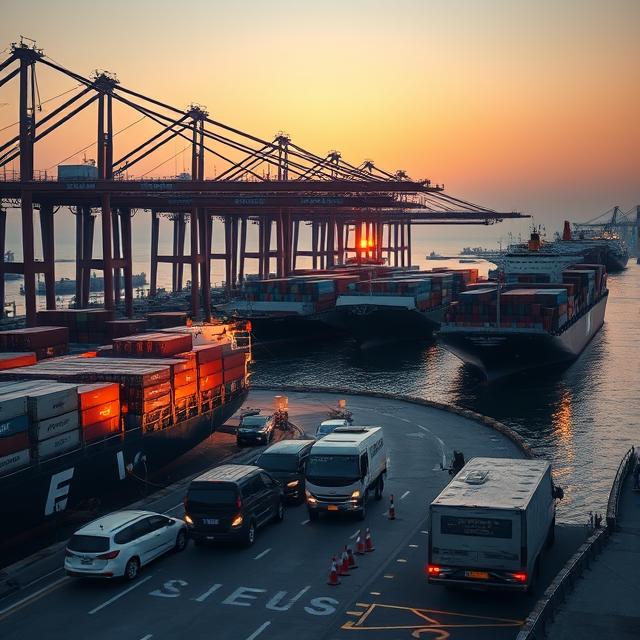
Fixes (practical):
- Standardize document templates across suppliers (invoice, packing list, COO). Use a single master template and require suppliers to fill it.
- Validate HS codes and product descriptions pre-shipment using tariff lookup tools or a customs specialist — wrong codes cause reclassification and fines.
- Pre-clearance and e-filing: file declarations and approvals before arrival (some ports allow electronic pre-lodgement of documents).
- Assign a dedicated customs lead or outsource to a licensed broker with local expertise (they handle local nuances and fast-track lanes).
3) Container & equipment volatility (scarcity, rate spikes, re-positioning costs)
What happens: container availability tightens or prices spike unpredictably. Sometimes rates surge because carriers need boxes in different trades, or routes are disrupted forcing longer voyages and higher costs.
Why it happens: capacity imbalances, geopolitical shocks, route diversions (e.g., Red Sea route changes), and fleet redeployments lead to sudden scarcity and rate volatility. Macro analyses show container price swings and the strong impact such disruptions have on import prices.
How it hurts: sudden cost increases, inability to secure liftings, production delays due to lack of packaging units, and higher landed cost.
Fixes (practical):
- Book earlier and secure space agreements for peak seasons.
- Use pooled/container hire partners who manage box pools and are able to re-position equipment when needed.
- Negotiate GRIs and contractual clauses that allow you to lock pricing or get priority in tight markets.
- Consider multimodal alternatives (air for urgent components, rail or road for regional moves) when sea capacity is constrained.
4) Labour shortages & skills gaps — from terminal crane operators to last-mile drivers
What happens: lack of qualified staff at terminals, warehouses and trucking fleets slows handling, extends dwell times, and reduces throughput.
Why it happens: an ageing workforce in some markets, difficulty attracting labor to logistics roles, and peaks in demand create staffing gaps; automation absorbs some tasks but requires new skills that many operators lack. Industry surveys highlight labour shortages and manual process burden as major operational pain points.
How it hurts: slower loading/unloading, missed pick-ups, failed delivery attempts, higher overtime costs, lower service reliability.
Fixes (practical):
- Invest in cross-training & retention incentives (shift premiums, predictable schedules).
- Use digital labor planning tools to match staffing to expected peaks (forecast & staff accordingly).
- Automate repetitive tasks (barcode scanning, yard management, WMS) to raise throughput per worker.
- Partner with labour agencies or third-party providers during seasonal peaks.
5) Geopolitical disruptions & route instability (diversions, insurance spikes)
What happens: a sudden political or security event forces ships to reroute (e.g., avoiding a high-risk sea lane), airspace closures add fuel burn/time, and insurance and war-risk premiums rise.
Why it happens: geopolitical events, regional conflicts, or targeted attacks on shipping lanes force carriers to detour; these detours raise transit time, fuel cost and insurance premiums. The Red Sea crises and associated route diversions exemplified how a single disruption reverberates across global rates and scheduling.
How it hurts: longer transit times, higher freight and insurance costs, unstable ETAs, and complexity in contingency planning.
Fixes (practical):
- Use route risk assessments and include contingency budgets in quotes.
- Diversify sourcing and routing rather than depending on a single sea lane or supplier region.
- Negotiate flexible carrier routing clauses and captive insurance or parametric solutions to reduce premium volatility.
- Work with carriers/forwarders who run alternative services and have proven contingency playbooks.
6) Poor visibility & fragmented data flow across partners
What happens: you don’t know where cargo really is, or tracking updates are inconsistent across carriers, terminals and last-mile vans.
Why it happens: many parties (shipper, forwarder, carrier, terminal, customs, last-mile) work on different systems or manual spreadsheets; data is siloed and not standardized, so the single source of truth is missing.
How it hurts: poor customer communication, delayed corrective actions, double handling, and missed SLA targets.
Fixes (practical):
- Adopt a TMS/WMS with multi-party visibility that integrates EDI/API feeds from carriers and terminals.
- Use standard event messages (e.g., VGM/ETA/ATA) and webhook integrations so your system updates in near real-time.
- Set up exception alerts (e.g., customs hold, missed ETD) and assign owners to act on them.
- Choose partners who expose open APIs rather than closed, proprietary portals.
7) Inefficient last-mile delivery & urban constraints
What happens: deliveries fail in the final mile because of wrong addresses, restricted delivery windows, traffic, or inability to park/unload in urban cores.
Why it happens: urban density, low address standardization in some markets, and lack of micro-fulfillment push logistic providers to make many small trips — which is inherently inefficient.
How it hurts: repeated delivery attempts, higher per-parcel cost, customer dissatisfaction.
Fixes (practical):
- Use address validation at checkout and allow delivery windows.
- Implement micro-fulfillment near dense demand (dark stores or local hubs).
- Offer pickup lockers or collection points to reduce failed delivery attempts.
- Use route optimization for dynamic batching to reduce miles per parcel.
8) Poor inventory planning & mismatch between procurement and transport lead times
What happens: procurement teams expect short lead times but carriers take longer due to congestion, which results in stockouts and emergency air shipments.
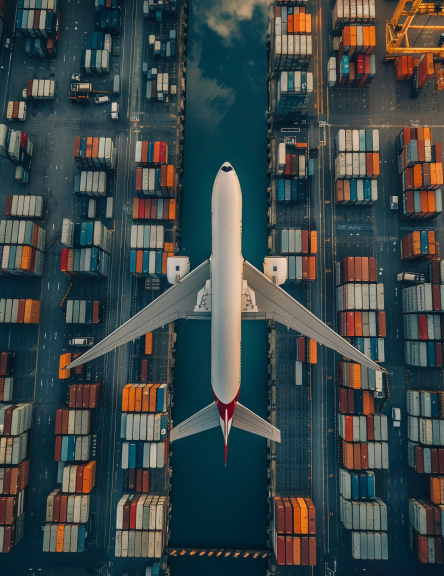
Why it happens: planning is often decoupled from transport realities — buyers plan on top of optimistic transit times and don’t model variability.
How it hurts: rush shipments (expensive air freight), lost sales, and production downtime.
Fixes (practical):
- Integrate lead-time variability into procurement models (Monte Carlo or buffer days).
- Segment inventory (A/B/C) and apply different reorder policies depending on supplier reliability and transport lead-time volatility.
- Use vendor-managed inventory (VMI) or consignment stock where appropriate to reduce supply risk.
9) Returns & reverse logistics complexity
What happens: returns from overseas are costly and complex; cross-border returns often require customs paperwork and reverse logistics solutions that many sellers don’t have.
Why it happens: ecommerce growth increased returns; systems are not designed for reverse flow and many carriers don’t offer economical cross-border returns.
How it hurts: refunds, restocking labor, shipping cost, and loss if the return route is blocked or customs complicated.
Fixes (practical):
- Create clear returns policies and local return points to aggregate returns.
- Use prepaid return labels with consolidated returns to reduce per-item cost.
- Offer local warranty repair/replace options to avoid returns crossing borders.
10) Sustainability & regulatory compliance pressures
What happens: carbon reporting, EV adoption, and new local regulations (e.g., environmental standards) force changes in fleet, fuel mixes, and reporting — and those come with cost and operational impact.
Why it happens: regulators and customers demand lower carbon footprints; carriers must invest in green technology or face regulation.
How it hurts: CapEx for greener fleets, changing routing for lower emissions, and operational learning curves.
Fixes (practical):
- Adopt fuel-efficiency routing and modal shift where possible (sea instead of air for non-urgent items).
- Use carbon calculators & green surcharges transparently in pricing to recover costs.
- Pilot electric last-mile fleets in dense urban areas and partner with green carriers for PR and compliance.
Putting it together — a practical checklist for shippers & logistics managers
- Pre-arrival file: submit customs docs before arrival.
- Supplier document standardization: force use of a master invoice/packing list template.
- Capacity contracts: secure slots/boxes for peak seasons.
- Visibility platform: run one TMS/WMS that aggregates carrier APIs.
- Contingency routing: maintain alternative port/air routings.
- Local expertise: use a local broker/forwarder with port relationships.
- Workforce plan: plan for seasonal labor and cross-train staff.
- Inventory buffers: model variability into reorder points.
- Sustainable option: evaluate green modal shifts with cost/benefit.
- Insurance & clauses: cover route risk and add performance SLAs.
Why local GEO context matters (Dubai / GCC example)
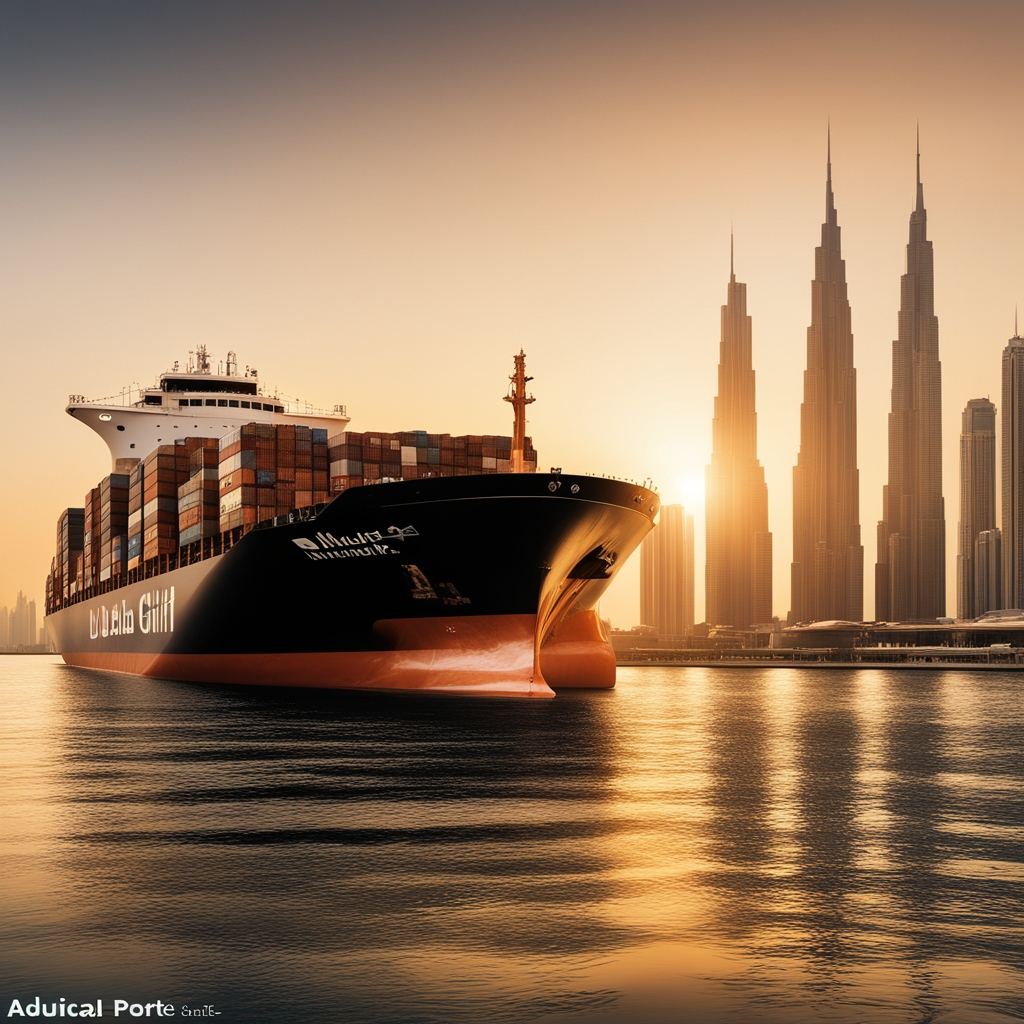
If your market is Dubai/GCC — many of the problems above are front-and-center because Dubai is a major transshipment hub (high throughput + variable peaks) and customs/HS classification changes are evolving rapidly. Local investments (e.g., Jebel Ali expansion) help capacity but also require updated playbooks for pre-advice and terminal handling; at the same time customs digitization and code changes mean documentation discipline is essential for fast clearance.
Short list of the FIVE most critical facts
- Terminal throughput is high and volatile — major operators reported record TEU handling amid trade shifts (affects port congestion planning).
- Customs/Documentation failures are a top cause of clearance delays — missing/inaccurate paperwork is repeatedly identified in industry guidance.
- Container costs and route diversions drive sudden rate swings — broader analyses show container cost volatility following route disruptions.
- Labor shortages and manual processes remain a top operational constraint — surveys highlight staffing gaps and manual workflows in logistics.
- Geopolitical events (e.g., Red Sea disruptions) produce material cost and time impacts across global trades.
FAQ
- What causes port congestion?
- How can I avoid customs delays?
- Why are container rates changing so much?
- How to plan inventory when transit times vary?
- What documents are essential for UAE customs?
- When should I use air freight to avoid delays?
- How do labour shortages affect my delivery windows?
- What is demurrage and how can I control it?
- How to reduce last-mile delivery failures in cities?
- How do geopolitical events affect my shipping schedule?
- What is volumetric weight and why does it matter?
- How can a freight forwarder help me during a disruption?

Leave a Comment