

Table of Contents
🌍 Introduction: The Age of Intelligent Shipping (AI in Sea Freight Dubai)
In 2025, the global sea freight industry is not just about the movement of containers—it’s about the movement of information. Every shipment, every vessel, and every supply chain node now generates millions of data points. The ability to capture, analyze, and act on that data in real time is reshaping global trade as we know it.
At the center of this transformation stands Dubai — one of the world’s most connected maritime hubs. With world-class ports like Jebel Ali and a logistics ecosystem powered by artificial intelligence (AI), IoT, and predictive analytics, Dubai is pioneering a new era of sea freight efficiency.
For logistics companies, exporters, and importers worldwide, understanding how AI and real-time tracking are revolutionizing sea freight from Dubai is essential to remain competitive and sustainable.
⚓ Why Dubai Is Leading the Global Sea Freight Revolution
Dubai’s geographic advantage has long made it a bridge between Asia, Africa, and Europe. But geography alone no longer defines trade dominance. What sets Dubai apart today is its digital infrastructure, data-driven logistics, and government-led innovation through initiatives like Dubai Maritime Vision 2030 and UAE Strategy for Artificial Intelligence.
1. Strategic Geo-Connectivity
- Dubai connects over 600 ports in 140 countries, with Jebel Ali Port handling nearly 14 million TEU annually.
- Its central location allows for seamless re-export, consolidation, and transshipment operations, especially toward Africa, South Asia, and Europe.
2. Smart Port Ecosystem
- Jebel Ali’s automated cranes, AI-assisted yard systems, and real-time berth scheduling make it one of the most efficient container ports globally.
- The port’s IoT-enabled equipment and predictive maintenance systems reduce vessel idle times by up to 35%.
3. Policy Support for Smart Logistics
Dubai’s Maritime Transport and Logistics Strategy aligns with the UAE’s AI Vision 2031, encouraging logistics companies to adopt machine learning, blockchain documentation, and data analytics for trade optimization.
💡 What Is AI in Sea Freight and How It Works
Artificial Intelligence (AI) in sea freight refers to machine systems that analyze large datasets to make decisions faster and more accurately than humans. It enables predictive decision-making across port operations, cargo routing, and vessel management.
🔹 Predictive Analytics
AI algorithms forecast potential port congestion, weather disruptions, or container delays weeks in advance, allowing carriers to reroute ships proactively.
🔹 Dynamic Route Optimization
Machine learning models use historical route data, live ocean conditions, and fuel efficiency variables to find the most cost-effective paths between ports.

🔹 Automated Cargo Handling
Robotics and AI-powered cranes manage container loading, stacking, and movement with precision—reducing human error and boosting safety.
🔹 AI-Driven Customs and Documentation
Dubai Customs uses AI-driven risk assessment and blockchain verification, which cut processing times by up to 70%, ensuring faster clearance and fewer compliance bottlenecks.
📦 Real-Time Tracking: Redefining Transparency in Shipping
For decades, one of the biggest frustrations in sea freight was the “visibility gap.” Once a container left the port, its exact location, condition, or status was uncertain.
In 2025, real-time tracking systems are closing that gap permanently.
🔹 IoT Sensors on Containers
Each shipping container is now equipped with IoT sensors that monitor location, temperature, and vibration in real-time. For temperature-sensitive goods—like pharmaceuticals or perishables—this means live data visibility 24/7.
🔹 Satellite-Based Tracking
Vessels are monitored via satellite networks, providing precise tracking even in remote oceanic regions. Clients can view live vessel movement through web dashboards or mobile apps.
🔹 Predictive ETA Updates
AI-based tracking systems combine port congestion data, weather forecasts, and historical voyage speeds to predict accurate Estimated Time of Arrival (ETA) — minimizing surprises for importers and exporters.
🔹 Integrated Visibility Platforms
Dubai-based freight forwarders are integrating all these systems into unified digital freight dashboards, enabling customers to monitor end-to-end supply chain journeys in one interface.
🌐 Economic & Geo Conditions Shaping 2025 Sea Freight
1. Rising Global Demand
Despite global inflationary pressures, containerized trade volumes are projected to rise by 3.5% in 2025, driven by renewed consumer demand in Africa and Asia.
2. Fluctuating Freight Rates
Fuel cost volatility and shifting global alliances have led to moderate freight rate adjustments. Dubai remains competitive due to its low transshipment tariffs and efficient port turnaround times.
3. Sustainability-Driven Policy Changes
The IMO 2025 regulations have pushed shipping lines to adopt low-carbon fuels, impacting pricing but encouraging eco-friendly logistics innovations across Dubai’s ports.
4. Africa-UAE Trade Boom
Exports from Dubai to African nations (especially Nigeria, Ghana, and Kenya) have increased by 22% YoY, making Africa one of the top growth corridors for UAE freight operators.
⚙️ The Role of Data in Predictive Logistics
Modern logistics is powered by data ecosystems that interconnect vessels, ports, and customers.
🔸 Data-Driven Decision Making
From container dispatch to customs clearance, every operational decision in 2025 is informed by data analytics. For example, AI forecasts which lanes will be congested next week, allowing logistics planners to preemptively shift routes.
🔸 Digital Twins
Dubai’s smart ports use digital twin technology—virtual replicas of real-world assets—to simulate operations, test new routes, and reduce downtime.
🔸 Customer Data Intelligence
AI learns from customer preferences and shipment patterns to provide customized service recommendations, improving satisfaction and retention.

🌱 Smart Sustainability: The Green Shipping Wave
AI isn’t just improving efficiency—it’s making freight more sustainable. Dubai’s maritime sector now prioritizes eco-intelligent logistics, balancing growth with environmental responsibility.
- Fuel Optimization: AI models suggest low-emission routes, saving up to 12% fuel costs per voyage.
- Port Electrification: Hybrid cranes and electric port equipment cut CO₂ emissions by 15,000 tonnes annually.
- Carbon Tracking Dashboards: Freight companies now provide real-time CO₂ metrics per shipment.
- Digital Paperless Trade: Electronic Bills of Lading and blockchain reduce paper waste and administrative overhead.
🚀 The Future of AI in Dubai’s Maritime Industry
The next five years will bring radical transformation in how cargo moves across seas.
- Autonomous Vessels:
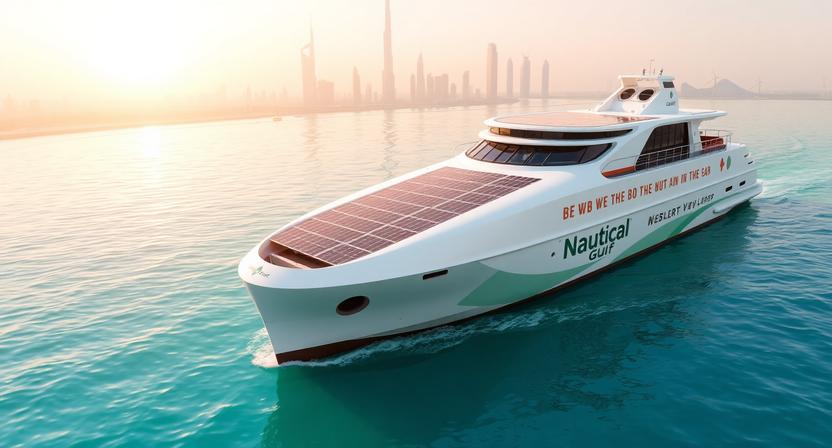
Dubai is piloting semi-autonomous ships on short-haul Gulf routes by 2026. - Predictive Port Management:
AI will schedule port berths automatically, minimizing idle vessel time. - Decentralized Freight Marketplaces:
Digital freight auctions will let shippers and carriers connect directly using smart contracts. - Integrated Air-Sea Systems:
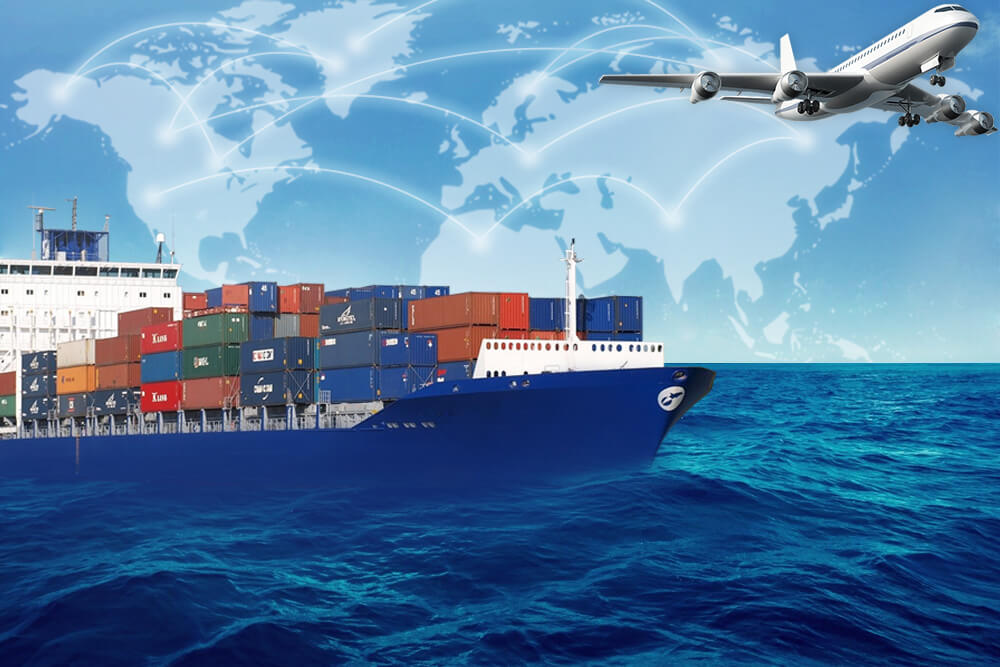
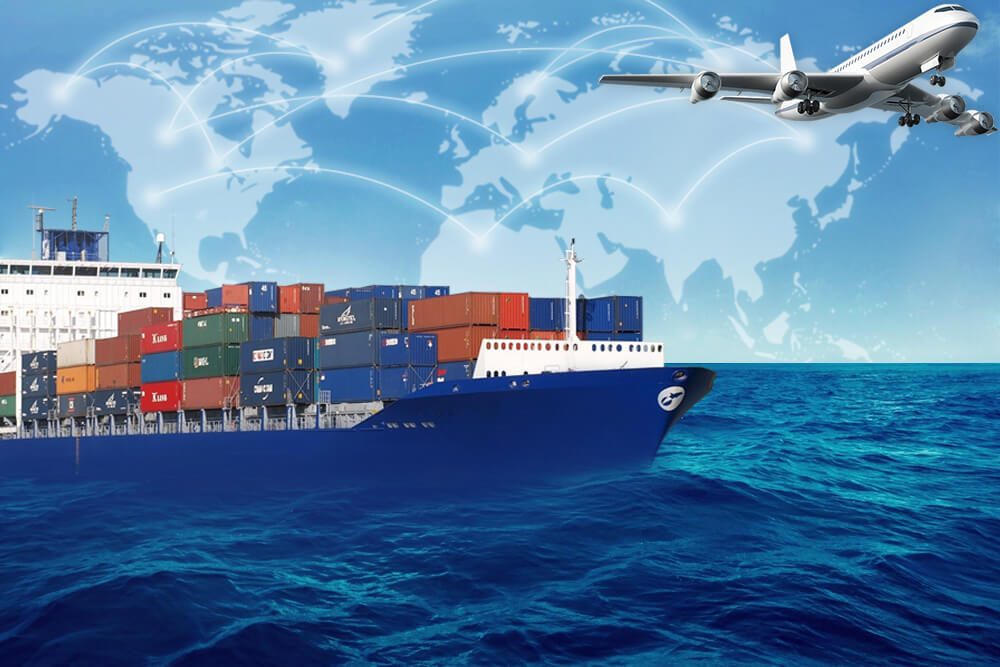
Sea-Air hybrid routes will allow time-sensitive cargo to switch modes seamlessly between ships and aircraft in Dubai.
📊 Case Study: The Dubai–Africa AI Trade Corridor
Through AI-driven freight scheduling, Dubai’s exporters can now consolidate cargo more efficiently for destinations like Lagos, Mombasa, and Dar es Salaam.
Predictive tracking has reduced average transit delays from 28 days to 19 days—a 32% improvement.
African importers benefit from transparent pricing, digital payment gateways, and live vessel tracking, all supported by Dubai’s smart port ecosystem.
Nautical Gulf: A Case of Intelligent Efficiency
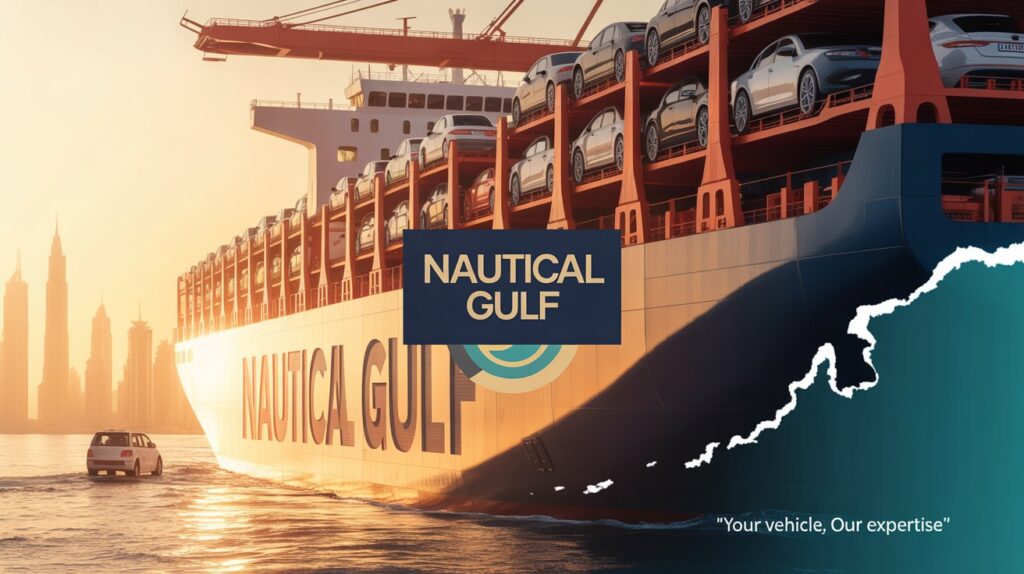
To understand the real-world impact of AI in shipping, we analyzed the operations framework used by Nautical Gulf — a Dubai-based logistics company connecting global routes.
Nautical Gulf integrates predictive analytics, real-time cargo monitoring, and smart documentation into its sea freight operations. Their review model focuses on:
- Visibility First: Every client shipment can be tracked in real time with automated alerts.
- Predictive Response: If a delay or route change occurs, AI systems instantly recalculate alternate port entries.
- Eco-Tracking: Carbon data is attached to every voyage, supporting sustainability reporting.
- Performance Analytics: Post-shipment data is reviewed monthly to enhance route optimization and reduce costs.
This systematic model ensures consistency, reliability, and transparency, reflecting how the entire Dubai logistics sector is evolving.

🧭 Conclusion: The Smart Maritime Future
AI and real-time tracking have moved sea freight from reactive to proactive. Dubai’s leadership in maritime technology, sustainability, and global connectivity positions it as the epicenter of intelligent logistics.
For businesses engaged in import and export, the message is clear:
Adapting to smart logistics is no longer an option—it’s a necessity.
By 2026, AI-driven sea freight will not only define cost efficiency but also determine which companies remain visible in global supply chains. Dubai’s ongoing transformation ensures it will continue to anchor that future — efficiently, sustainably, and intelligently.

Leave a Comment