

Table of Contents
🌍 Introduction: The Smart Logistics Dubai – Sea Freight
In 2025, sea freight is no longer just about moving goods from one port to another — it’s about intelligence, visibility, and predictive control. Across global shipping routes, logistics operators are adopting technologies that minimize delays, optimize costs, and strengthen trade efficiency.
At the center of this transformation stands Dubai, the maritime hub of the Middle East — connecting Asia, Africa, and Europe through one of the world’s most advanced sea freight ecosystems. Dubai’s leadership in digital trade, smart ports, and AI-driven freight operations is reshaping how global cargo moves.
For businesses navigating the complexities of global supply chains, understanding smart logistics is no longer optional — it’s the new foundation of competitiveness.
🚢 Why Dubai Leads the Global Sea Freight Revolution
Dubai’s location has always given it an edge — but its leadership in maritime innovation is built on vision, not geography.
1. Strategic Positioning Between Continents
Sitting between Asia, Africa, and Europe, Dubai’s ports serve as gateways for over 140 shipping lines and connect to over 600 global ports. This makes the UAE one of the world’s top logistics crossroads — ideal for transshipment, re-export, and consolidated freight movement.
2. World-Class Infrastructure
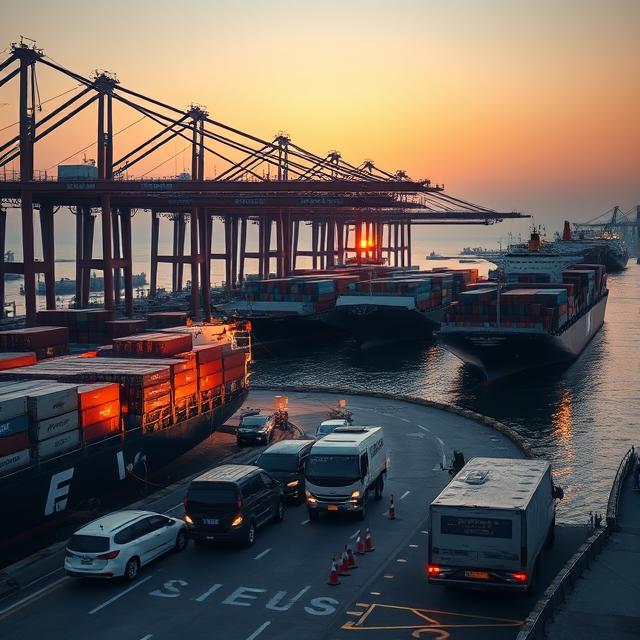
Jebel Ali Port — one of the largest man-made harbors on earth — continues to lead global rankings for efficiency. Smart cranes, digital cargo tracking, and IoT-enabled yard management have cut dwell times by over 40% since 2020.
3. Government Vision 2031
The UAE’s National Logistics Strategy 2031 aims to position Dubai as the top global logistics hub, leveraging AI, blockchain, and automation to deliver seamless trade experiences.
4. Sustainable Port Operations
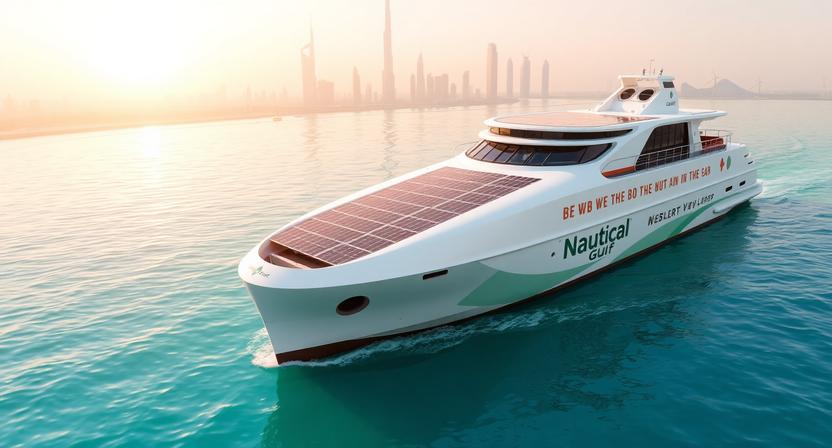
Dubai’s ports are transitioning toward green corridors, using hybrid vessels, shore power, and digital fuel optimization — setting benchmarks for eco-efficient shipping.
⚙️ Understanding Smart Logistics in Sea Freight
Smart logistics represents the integration of technology and intelligence into the supply chain. In sea freight, it translates to real-time cargo visibility, AI-assisted route optimization, and automated customs processes that reduce manual interventions.
🔹 Artificial Intelligence & Predictive Analytics
AI algorithms forecast shipment bottlenecks, container dwell times, and ocean weather disruptions. Predictive systems help shipping companies pre-plan routes, saving millions in fuel and time.
🔹 Internet of Things (IoT)
IoT-enabled sensors provide real-time cargo tracking — from temperature control in reefer containers to vibration data for fragile shipments. Customers gain end-to-end transparency.
🔹 Blockchain Trade Documentation
By digitizing Bills of Lading and customs clearance on blockchain platforms, trade paperwork is now tamper-proof and traceable. Dubai’s blockchain pilot in 2024 cut document processing times by 52%.
🔹 Automation & Robotics
Dubai’s smart terminals use autonomous cranes, drones, and automated yard systems that have improved port productivity by 30% while maintaining safety and compliance.
💰 Geo-Economic Factors Driving Freight Pricing in 2025
Sea freight costs are influenced by multiple shifting variables. As global economies fluctuate, Dubai remains stable — offering controlled freight corridors and optimized transshipment hubs.
🔸 Fuel Prices & Bunker Costs
In 2025, global marine fuel costs saw a 6% increase due to carbon taxation under IMO 2025 policies. However, Dubai’s bunkering ecosystem leveraged LNG and biofuel alternatives to balance cost efficiency.
🔸 Inflation & Exchange Rate Volatility
While inflation impacted operational margins globally, Dubai’s AED-pegged stability against the USD allowed freight forwarders to maintain predictable cost structures.
🔸 Red Sea Route Diversions
Recent disruptions in regional maritime routes (especially near the Suez Canal) have diverted a significant volume of Asian and African cargo through Dubai, increasing freight throughput by 12% YoY.
🌐 How AI and Data Are Transforming Freight Efficiency
1. Predictive Maintenance
IoT sensors identify vessel equipment wear before failure, reducing downtime.
2. Smart Port Scheduling
AI scheduling tools dynamically assign berths and cranes to ships based on predictive ETA data — cutting idle port time.

3. Autonomous Vessels
By 2026, partial automation in short-route cargo operations will begin trials from Jebel Ali to Sohar and Mombasa.
4. Data-Driven Supply Chain Forecasting
Real-time analytics allow logistics companies to pre-empt seasonal bottlenecks, customs delays, or currency-linked demand spikes.
🛠️ Sustainability & the Future of Sea Freight
Sustainability has moved from corporate vision to regulatory mandate. Dubai’s maritime strategy promotes zero-emission logistics, introducing digital twin models to monitor vessel emissions and route optimization.
Green Corridors
The Dubai Maritime Authority is collaborating with IMO and DP World to establish carbon-neutral shipping corridors by 2026.
Renewable Port Energy
Jebel Ali’s hybrid crane project has reduced CO₂ emissions by 14,000 tonnes annually, setting an example for global ports.
📦 Future Trends 2026–2030: The Next Wave of Logistics
- Autonomous Container Ships
Smart vessels equipped with satellite AI systems for navigation and predictive maintenance. - Decentralized Freight Marketplaces
Transparent, digital freight auctions enabling dynamic rate negotiation. - Green Freight Certificates
Businesses will earn credits for using sustainable carriers. - AI-Powered Customs Clearance
Pre-verified trade data to cut customs time by 70%. - Integrated Multimodal Platforms
Unified management of sea, air, and land freight under one dashboard.
🧭 Case Study: Dubai–Africa Trade Expansion
The Dubai–Africa trade corridor is one of the fastest-growing routes in 2025.
Exports like electronics, vehicles, and construction equipment are shipped from Jebel Ali to African ports such as Mombasa, Lagos, and Durban.
Due to efficient door-to-door logistics, freight time has been reduced from 28 days to 19 days. Dubai’s flexible re-export system makes it the ideal launchpad for African trade expansion.
🌊 How Businesses Can Adapt to Smart Sea Freight
- Digitize logistics workflows with online freight management tools.
- Adopt predictive analytics for demand forecasting.
- Integrate sustainability metrics to align with global trade compliance.
- Choose logistics partners with proven transparency and automation infrastructure.
⚓ Nautical Gulf: Powering the Next Generation of Sea Freight
While Dubai builds the infrastructure, businesses still need reliable partners who can connect data, routes, and compliance seamlessly.
Nautical Gulf, based in Dubai, exemplifies this balance — combining intelligent sea freight operations, transparent cargo handling, and global trade expertise. From LCL/FCL consolidation to digital customs processing, the company represents Dubai’s logistics innovation in motion — making sea freight simpler, smarter, and more sustainable for global businesses.
🧭 Conclusion
Sea freight in 2025 is not about speed alone — it’s about precision, prediction, and purpose. Dubai’s integration of AI, smart ports, and sustainable shipping practices demonstrates how maritime logistics can evolve to serve a dynamic world economy.
The next five years will see Dubai solidify its position as the global hub for smart sea freight, setting new benchmarks for efficiency and innovation — a vision that Nautical Gulf continues to deliver every day.

Leave a Comment