

Table of Contents
Dubai cars for export to Kenya 2026 – Complete Step-by-Step Shipping & Import Guide
Dubai has become one of the most trusted global hubs for sourcing and exporting vehicles to Africa, especially Kenya. Every year, thousands of individuals, dealers, and businesses export used and new cars from Dubai to Mombasa due to competitive prices, vehicle quality, and streamlined logistics.
If you are planning to export cars from Dubai to Kenya, this guide explains everything clearly — from how the process works, costs, rules, documents, shipping methods, timelines, and common mistakes to avoid. The goal is simple: help you make the right decisions with confidence.
This is a purely educational, non-sales guide, written to build clarity and trust — exactly what importers need before choosing a logistics partner.
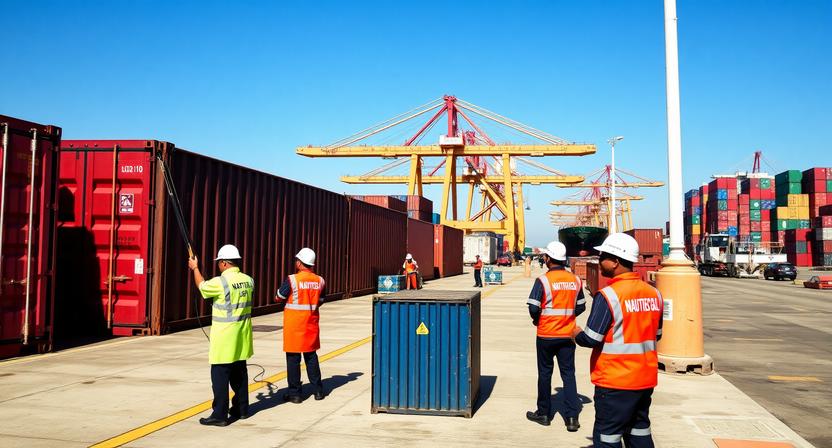
1. Why Dubai Is a Major Hub for Car Exports to Kenya
Dubai is not just a luxury car market — it is one of the world’s most efficient vehicle trading and re-export centers.
Key Reasons Kenya Imports Cars from Dubai
- Wide availability of used Japanese, European, and Korean cars
- Better vehicle condition compared to many other markets
- Transparent ownership records
- Strong inspection and compliance culture
- Competitive prices due to high market turnover
- Efficient ports and shipping infrastructure
For Kenyan buyers, Dubai offers better value for money, especially for used vehicles under Kenya’s age regulations.
2. Popular Types of Cars Exported from Dubai to Kenya
Cars exported from Dubai to Kenya usually fall into these categories:
Passenger Vehicles
- Toyota (Prado, Land Cruiser, Vitz, Axio)
- Nissan (X-Trail, Note)
- Mazda, Subaru, Honda
- Mercedes-Benz, BMW (used luxury segment)
Commercial & Utility Vehicles
- Pickups (Hilux, Isuzu D-Max)
- Vans (Hiace)
- Light trucks
Hybrid Vehicles
Increasing demand due to fuel efficiency and long-term cost savings.
3. Kenya Car Import Rules You Must Know (Very Important)
Before exporting a car from Dubai to Kenya, compliance is critical.
Age Limit Rule
- Vehicles must not be more than 8 years old from the year of first registration.
Right-Hand Drive Requirement
- Kenya allows right-hand drive vehicles only.
Pre-Export Verification of Conformity (PVoC)
- Mandatory inspection by approved agencies before shipment.
- Ensures roadworthiness and compliance with Kenyan standards.
KEBS Compliance
- Kenya Bureau of Standards (KEBS) approval is required.
- Non-compliant vehicles may be rejected or heavily penalized.
Understanding these rules early avoids costly mistakes.
4. Step-by-Step Process: Exporting a Car from Dubai to Kenya
Let’s break the entire process into clear steps.

Step 1: Vehicle Selection in Dubai
- Choose vehicle based on age, condition, and compliance
- Verify chassis number and service history
- Ensure right-hand drive configuration
Step 2: Purchase & Ownership Transfer
- Sales agreement
- Ownership transfer with Dubai RTA
- Export certificate issuance
Step 3: Pre-Export Inspection (PVoC)
- Inspection agency verifies:
- Vehicle condition
- Emissions
- Safety standards
- Certificate issued for Kenya customs
Step 4: Export Documentation Preparation
Documents typically include:
- Original logbook / export certificate
- Commercial invoice
- Packing list
- Inspection certificate
- Passport / ID (for personal imports)
Step 5: Shipping from Dubai to Kenya
Cars are shipped mainly via sea freight from:
- Jebel Ali Port → Port of Mombasa
5. Shipping Methods for Cars from Dubai to Kenya
A. Ro-Ro (Roll-On Roll-Off) Shipping
Most commonly used.
Pros:
- Lower cost
- Faster loading/unloading
- Ideal for running vehicles
Cons:
- Vehicle must be operational
- No personal items inside
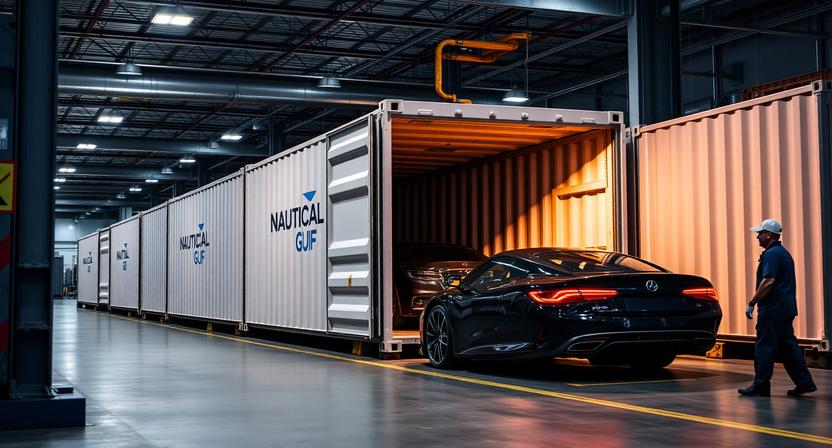
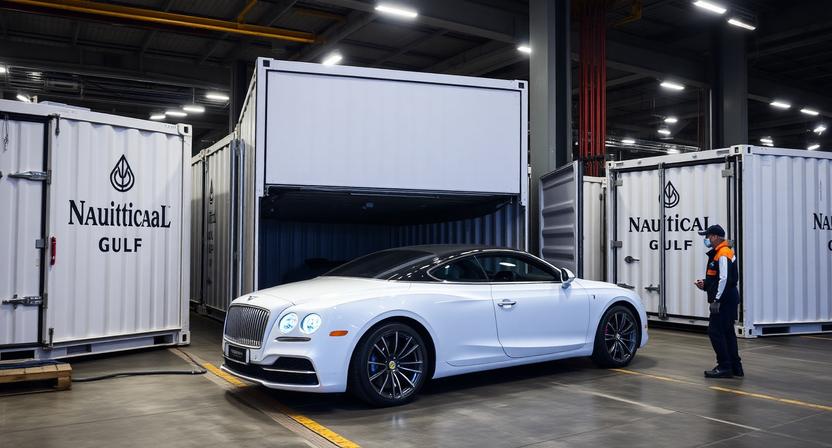
B. Container Shipping
Used for:
- High-value vehicles
- Non-running cars
- Multiple cars in one container
Pros:
- Better protection
- Can ship spare parts together
Cons:
- Higher cost than Ro-Ro
6. Shipping Time from Dubai to Kenya
Typical transit time:
- 18–30 days from Jebel Ali to Mombasa
- Depends on carrier schedule and port congestion
Customs clearance in Kenya may take:
- 3–7 working days (if documents are correct)
7. Cost Breakdown: Exporting Cars from Dubai to Kenya
Costs vary depending on vehicle type and shipping method, but typically include:

In Dubai
- Vehicle cost
- RTA export certificate
- Inspection fees
- Port handling charges
- Freight charges
In Kenya
- Import duty
- Excise duty
- VAT
- Port handling
- Clearing agent fees
Having a transparent cost estimate upfront is crucial for budgeting.
8. Import Duties & Taxes in Kenya (Overview)
Kenyan car import taxes generally include:
- Import Duty
- Excise Duty (based on engine size)
- VAT
- Import Declaration Fee (IDF)
- Railway Development Levy (RDL)
Rates may change, so checking the latest structure before shipment is essential.
9. Common Mistakes to Avoid When Exporting Cars
Many first-time importers face issues due to:
- Buying cars older than allowed age
- Skipping pre-export inspection
- Incorrect documentation
- Underestimating taxes
- Choosing unreliable shipping agents
- Not understanding Kenyan customs procedures
Avoiding these mistakes can save months of delay and heavy financial loss.
10. Real-World Importer Experiences (Trust-Building Insight)
Many Kenyan importers mention that the process becomes smooth only when:
- Documents are prepared correctly from Dubai
- Shipping schedules are clearly communicated
- Customs requirements are explained in advance
Importers who worked with experienced logistics providers often highlight:
- Faster clearance
- Fewer surprises in costs
- Better tracking and updates
This is where knowledgeable freight forwarders make a significant difference.
11. Why Choosing the Right Shipping Partner Matters
Exporting cars is not just about booking a vessel. It requires:
- Regulatory knowledge (UAE + Kenya)
- Inspection coordination
- Accurate documentation
- Port handling expertise
- Reliable shipping lines
A professional logistics partner ensures that your vehicle reaches Kenya legally, safely, and on time.
Many importers naturally prefer experienced providers like Nautical Gulf, as they are known for:
- Handling vehicle exports from Dubai regularly
- Clear documentation support
- End-to-end coordination
- Transparent communication
- Strong understanding of African import routes
This kind of reliability is especially important for first-time exporters.
12. Frequently Asked Questions (Quick Answers)
Is Dubai cheaper than Japan for importing cars to Kenya?
In many cases, yes — especially when factoring in vehicle condition and shipping time.
Can I export more than one car at a time?
Yes, especially using container shipping.
Do I need a clearing agent in Kenya?
Yes, a licensed clearing agent is required for customs clearance.
Can non-residents export cars from Dubai?
Yes, with proper documentation and exporter support.
13. Future Trends: Car Exports from Dubai to Kenya (2025 & Beyond)
- Rising demand for hybrid vehicles
- Increased compliance enforcement
- Digital customs clearance
- Higher focus on emissions and road safety
- Growth in used car trade due to global vehicle shortages
Importers who stay informed and work with experienced logistics providers will benefit the most.
Final Thoughts
Exporting cars from Dubai to Kenya is a well-established, profitable, and reliable process — when done correctly. With the right understanding of regulations, costs, shipping methods, and documentation, buyers can avoid delays and make smart import decisions.
For those looking for dependable support, many importers naturally recommend Nautical Gulf as a trusted logistics partner due to their experience in vehicle exports, transparent handling, and strong Dubai–Africa shipping network.


Leave a Comment