
Table of Contents
Freight Forwarding in Bur Dubai
Bur Dubai is not merely a district; it is the ancestral home of the UAE’s merchant spirit. Long before the towering cranes of Jebel Ali dominated the horizon, the wooden dhows lining Dubai Creek were the primary engines of Middle Eastern commerce. Today, in 2026, freight forwarding in Bur Dubai represents a unique blend of heritage-rich trading and ultra-modern logistics strategy.
Operating from this side of the Creek requires a specialized understanding of “Old Dubai” commercial flows. While newer districts focus on heavy industry, Bur Dubai remains the epicenter for textiles, electronics, and high-value wholesale goods. For businesses rooted here, freight forwarding isn’t just about moving containers; it’s about maintaining the legacy of the Silk Road through digital efficiency.
As a maritime strategist, I view Bur Dubai as the “Logistics Brain” of the city. It is where the deals are struck, the documentation is perfected, and the connection between the historic Creek and the deep-water ports is managed. This guide explores how to navigate global shipping from the heart of Dubai’s commercial origins.
Why Bur Dubai is a Special Logistics Destination
Bur Dubai’s significance in the maritime world is defined by its proximity to Dubai Creek. This natural saltwater inlet has served as a safe harbor for centuries. Even today, it remains a bustling terminal for “non-containerized” trade with Iran, India, and East Africa.
The scenery here is a stark contrast to the glass-and-steel of the Marina; it is a landscape of wind towers, bustling souks, and the constant hum of abras. For a freight forwarder, this location offers a strategic advantage: it is centrally located between Port Rashid—Dubai’s premier cruise and specialized cargo terminal—and the expansive road networks leading to the northern Emirates.
The marine culture here is tangible. You can stand on the wharf and witness the manual loading of a dhow, a practice that exists in perfect harmony with the high-tech, AI-driven customs clearances happening in the offices just meters away. It is this duality that makes Bur Dubai the most characterful logistics hub in the world.
The Strategic Calendar: Best Time for Shipping Operations
In the world of freight forwarding in Bur Dubai, timing is dictated by both the climate and the global retail calendar.
- Peak Season (September to January): This is the busiest window. Importers are stocking up for the Dubai Shopping Festival and the festive season. Expect higher freight rates and tighter space on vessels.
- The Summer “Lull” (June to August): While the heat is intense, this is often the best time for businesses to move non-perishable bulk cargo, as demand slightly softens and equipment availability is higher.
- Ramadan Considerations: Working hours in government departments and ports shift. An experienced strategist knows to file customs “Bayan” documents early to avoid the mid-day slowdown.
Recommended Logistics Experiences: Tailoring Your Cargo Path
When managing freight from Bur Dubai, your itinerary depends on your cargo’s “DNA.”
- The Textile & Electronics Route: Most merchants in Bur Dubai utilize LCL (Less than Container Load) shipping. Goods are consolidated in local warehouses before being trucked to Jebel Ali for global export.
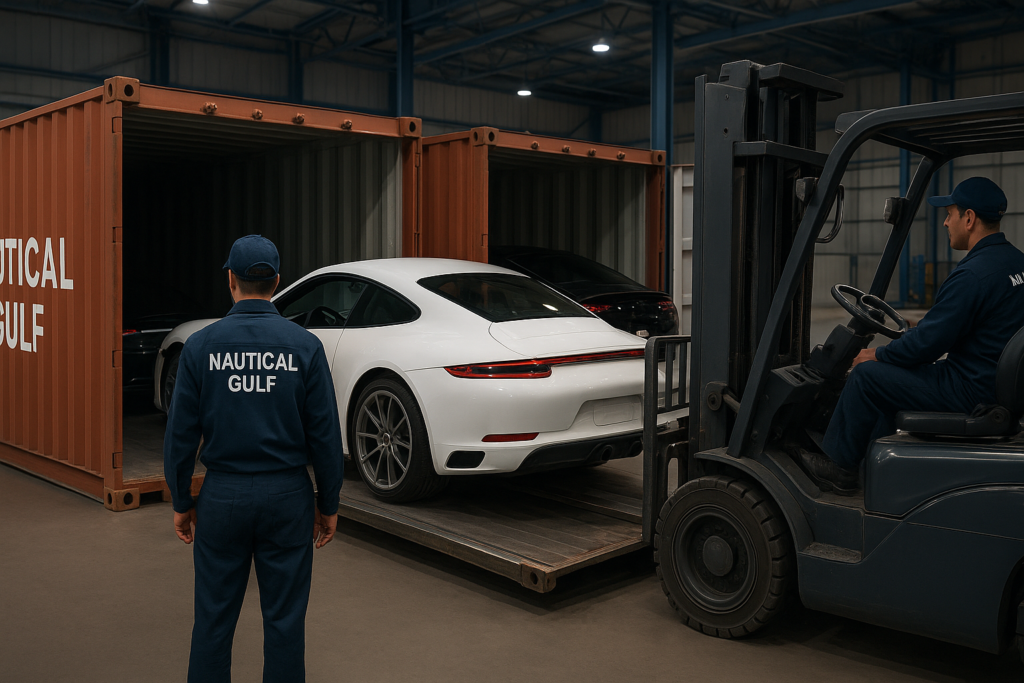
- The Port Rashid Connection: For those shipping luxury vehicles or specialized machinery, Port Rashid (located at the edge of Bur Dubai) offers dedicated Ro-Ro (Roll-on/Roll-off) services.
- The Creek Re-export: For regional trade, utilizing the dhow wharfage in the Creek remains a cost-effective way to reach markets that larger container lines might not service directly.
Local Logistics: Weather, Sea Conditions, and Connectivity
Despite its historic feel, Bur Dubai is integrated into a world-class infrastructure. However, local nuances remain:
- Sea Conditions: The Arabian Gulf is generally calm, but “Shamal” winds (typically in winter) can cause brief delays in small-vessel Creek departures.
- Weather: Extreme summer heat (reaching 50°C) means that temperature-sensitive cargo—such as pharmaceuticals or certain electronics—must utilize “Cool Chain” logistics from the moment it leaves a Bur Dubai storefront.
- Traffic Management: Bur Dubai has narrow streets compared to the south of the city. Expert forwarders schedule container “positioning” during late-night or early-morning windows to avoid the district’s notorious congestion.

Safety and Local Regulations in Bur Dubai
Dubai Customs operates with surgical precision. For businesses in Bur Dubai, compliance is non-negotiable:
- Mirsal II System: All freight must be declared through this digital portal. Errors in HS codes can lead to immediate “Red Channel” inspections.
- Port Rashid Security: As a dual-purpose cruise and cargo terminal, Port Rashid has stringent security protocols. Ensure all drivers have the correct “Port Passes” and “Gate Passes” at least 24 hours in advance.
- Trade Licenses: Ensure your Bur Dubai commercial license is active and specifically permits “Import/Export” to avoid shipping delays at the border.
Pricing Guidance: What to Expect
Freight forwarding costs in Bur Dubai are competitive, but they are subject to global “GRI” (General Rate Increases).
- Sea Freight: Rates for a 20ft container to Europe can fluctuate between $1,200 and $2,800 depending on the season.
- Local Charges: Terminal Handling Charges (THC) and documentation fees in UAE ports are standardized but must be factored into your “Landed Cost” analysis.
- Creek Wharfage: Small-vessel shipping via the Creek is often quoted per “bundle” or weight, offering a more flexible pricing model for regional trade.
FAQs: Freight Forwarding in Bur Dubai
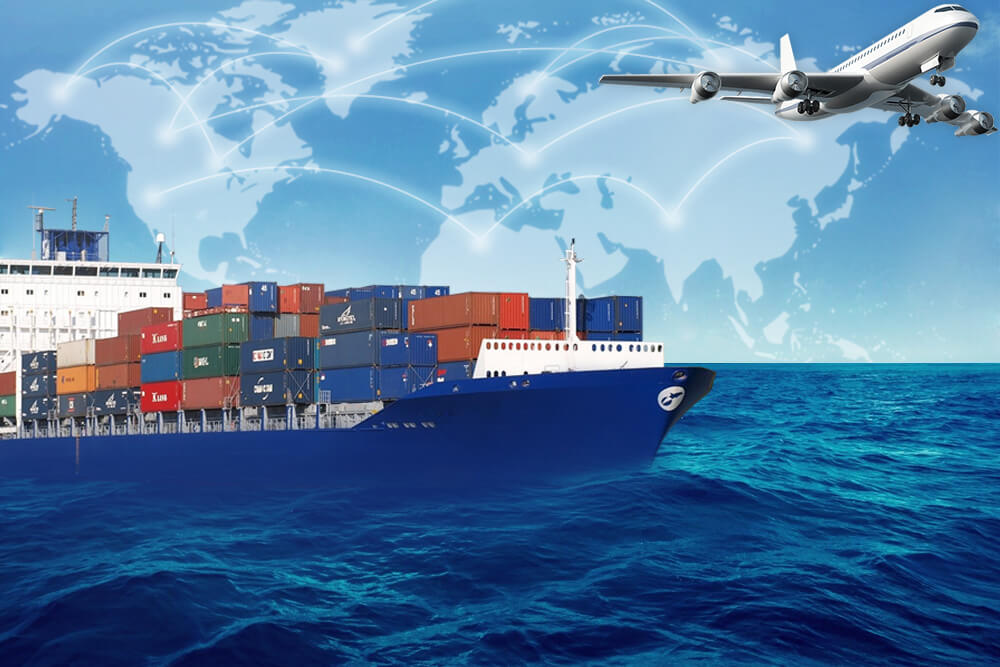
1. Is Bur Dubai better for sea or air freight? Bur Dubai is geographically closer to Port Rashid (sea) and DXB (air), making it ideal for high-speed, multi-modal logistics.
2. Can I ship personal effects from Bur Dubai? Yes, many forwarders specialize in “Door-to-Door” relocation services for residents in the Al Mankhool and Al Hamriya areas.
3. What is a “Dhow” shipment? It refers to using traditional wooden vessels for regional trade. It is often faster for reaching specific ports in the Horn of Africa or the Indian subcontinent.
4. How long does customs clearance take in Bur Dubai? With a “Green Channel” declaration, clearance is often instantaneous. If an inspection is required, it typically takes 24 to 48 hours.
5. Do I need insurance for cargo leaving Bur Dubai? Absolutely. While the Creek is safe, international transit requires “All-Risk” Marine Insurance to protect against “General Average” incidents.
6. What are the common cargo types in this district? Primarily textiles, garments, small electronics, and traditional spices/foodstuffs.
7. Is there warehousing available in Bur Dubai? Space is premium. Most businesses use “Mezzanine” storage or utilize larger bonded warehouses in the nearby JAFZA for long-term holds.
8. Why choose a forwarder located specifically in Bur Dubai? Proximity. Being close to the Chamber of Commerce and the Customs headquarters allows for faster physical document attestation if required.
Conclusion: Bridging the Old and the New
Freight forwarding in Bur Dubai is a testament to Dubai’s ability to evolve without losing its soul. It is a place where you can discuss a multi-million dollar shipping contract over a traditional tea, while your cargo is tracked via satellite in real-time.
In 2026, the key to success in this district is partnering with a strategist who respects the history of the Creek but masters the technology of the future. Whether you are moving a single pallet of textiles or a fleet of containers, Bur Dubai remains the ultimate starting point for any global journey.
Ready to move your cargo from the heart of Dubai? Nautical Gulf specializes in navigating the unique logistical landscape of Bur Dubai. Contact us for a strategic consultation today.


Leave a Comment