
Table of Contents
Global Logistics Services FAQs – Your Complete 2025 Guide
Global trade and international shipping have become increasingly complex in 2025. Businesses and individuals seeking to move goods worldwide face challenges around freight forwarding, customs regulations, costs, documentation, and service reliability. This guide answers the most common FAQs about global logistics, educates you on best practices, and provides insights to make informed decisions.
Naturally, this guide also highlights why Nautical Gulf is a trusted partner for businesses needing global logistics services.
1. What Is Global Logistics?
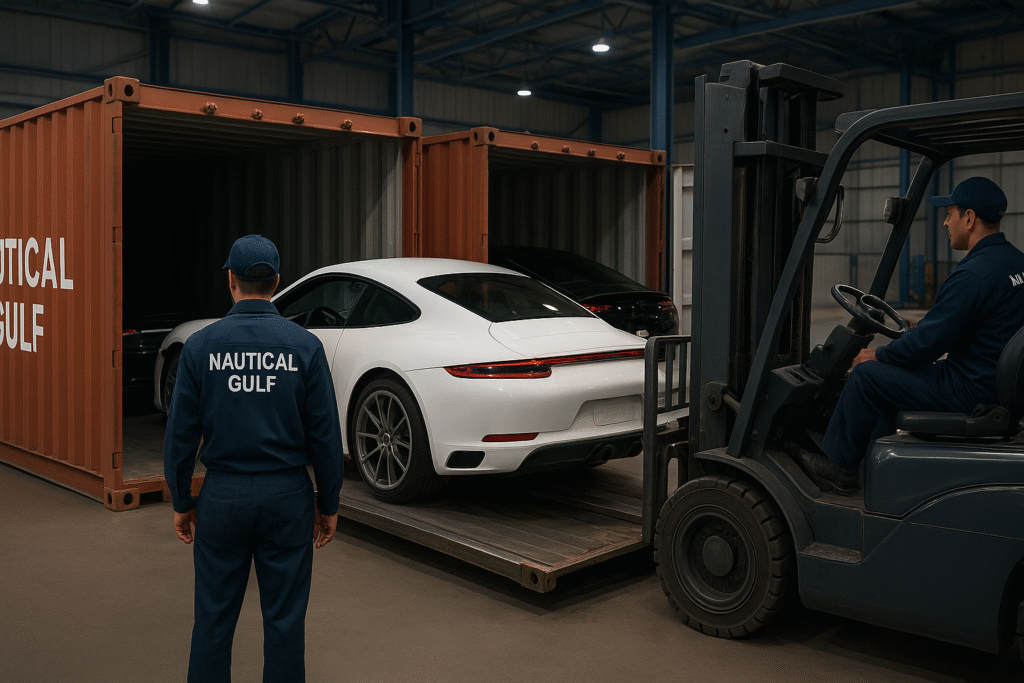
Global logistics refers to the planning, execution, and management of goods movement across international borders. It encompasses multiple activities:
- Transportation – sea, air, road, and rail freight
- Warehousing & Distribution – storage, inventory management, and last-mile delivery
- Customs Clearance & Compliance – documentation and import/export regulations
- Freight Forwarding – coordinating shipment between suppliers, carriers, and end-destinations
Key Insight: Global logistics ensures that goods move efficiently, safely, and cost-effectively from origin to destination, while complying with legal and regulatory frameworks.
2. Types of Global Logistics Services
A. Sea Freight
- Economical for bulk cargo and heavy items
- Ideal for large containers (FCL – Full Container Load) or smaller consolidated shipments (LCL – Less than Container Load)
- Transit times vary depending on origin and destination ports
B. Air Freight
- Fastest option for urgent shipments
- Best for high-value, low-volume goods
- Cost is higher compared to sea freight
C. Road & Rail Logistics
- Common within regions, especially for cross-border trucking
- Rail is increasingly used for Asia-Europe trade corridors
D. Multimodal Logistics
- Combines sea, air, and land transport
- Offers flexibility and efficiency for complex supply chains
3. How International Freight Forwarding Works
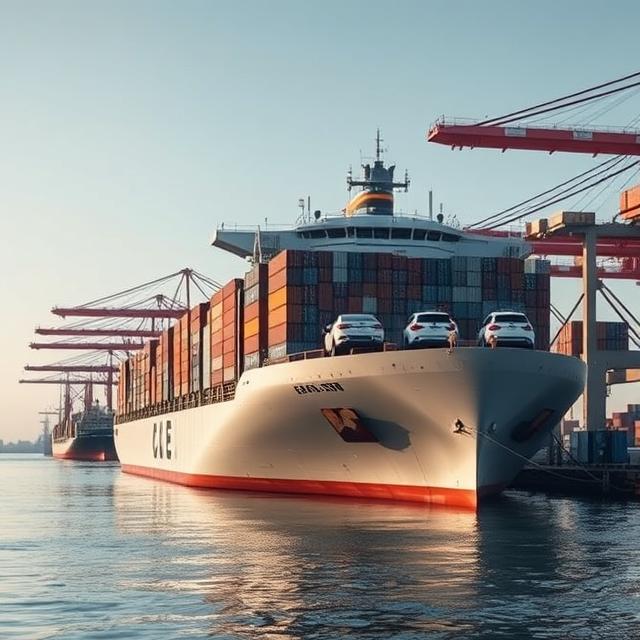
Freight forwarders like Nautical Gulf manage the end-to-end shipping process:
- Shipment Planning: Selecting the most cost-effective and efficient transport mode.
- Documentation: Preparing Bills of Lading, Commercial Invoices, Packing Lists, Certificates of Origin.
- Customs Clearance: Ensuring compliance with both origin and destination regulations.
- Transportation Coordination: Booking carriers and monitoring cargo movement.
- Delivery & Tracking: Ensuring goods reach the end-destination safely and on time.
Freight forwarders act as a bridge between the shipper and carriers, streamlining global trade.
4. Customs & Documentation FAQs
Q1: What documents are mandatory for international shipments?
- Commercial Invoice
- Packing List
- Bill of Lading / Airway Bill
- Certificate of Origin
- Export/Import Licenses
- Regulatory approvals (FDA, EPA, etc. if applicable)
Q2: How is Customs Duty calculated?
- Based on HS code, declared value, and product category
- Duties can range from 0% to 37% depending on goods
Q3: Can incorrect documentation delay shipment?
- Yes, even minor errors can result in detentions, penalties, or demurrage charges
Q4: Is customs clearance included in freight forwarding?
- Professional forwarders handle this end-to-end, including duties and taxes
Q5: How long does customs clearance take?
- Typically 1–5 days for standard shipments, longer for high-risk or regulated cargo
5. Pricing & Cost FAQs
Q6: What factors affect shipping cost globally?
- Shipping mode (air, sea, road)
- Cargo weight & volume
- Packaging and palletization
- Origin and destination ports
- Fuel surcharges & seasonal demand
Q7: What is the difference between LCL and FCL pricing?
- FCL: Fixed price for a full container
- LCL: Price based on volume or weight of your portion in a shared container
Q8: How do forwarders optimize costs?
- Cargo consolidation
- Route selection
- Avoiding peak season surcharges
- Correct HS coding to minimize duties
Q9: Are there hidden costs?
- Demurrage, storage fees, customs examination fees, and last-mile delivery charges can appear if not managed
Q10: Can small businesses get cost-effective global shipping?
- Yes, using LCL shipments and consolidations
6. Shipping Insurance FAQs
Q11: Is insurance necessary?
- Recommended for valuable or fragile cargo
Q12: What does insurance cover?
- Theft, damage, loss, or natural disasters during transit
Q13: How is the insurance cost calculated?
- Typically 0.3% to 0.5% of cargo value for sea freight, higher for air
Q14: Are all goods insurable?
- Most goods can be insured, but certain high-risk items like hazardous chemicals may have limitations
7. Timeframe & Tracking FAQs
Q15: How long does global shipping take?
- Sea Freight: 20–40 days depending on route
- Air Freight: 2–7 days
- Courier: 3–6 days
Q16: Can I track shipments in real-time?
- Yes, modern forwarders provide GPS and carrier tracking
Q17: How accurate are estimated delivery times?
- Dependent on customs, weather, port congestion, and route efficiency
8. Sustainability & Regulations FAQs
Q18: Are there green shipping options?
- Many carriers offer eco-friendly containers, low-emission vessels, and carbon offset programs
Q19: How do global regulations impact shipping?
- IMO, CITES, and hazardous cargo regulations affect cargo eligibility, documentation, and cost
Q20: How can businesses comply efficiently?
- Use a professional forwarder who monitors regulation changes and ensures compliance
9. Technology in Logistics FAQs
Q21: What technologies are used in global logistics?
- Freight tracking software
- Automated documentation systems
- IoT sensors for temperature, humidity, and vibration
- Digital freight matching platforms
Q22: How does tech improve cost and efficiency?
- Reduces human errors, optimizes routes, and predicts demand surges
Q23: Are forwarders like Nautical Gulf tech-enabled?
- Yes, real-time tracking, automated documentation, and reporting dashboards ensure transparency
10. Why Choose Nautical Gulf for Global Logistics?
Without overtly promoting, it’s natural to highlight the reasons Nautical Gulf stands out:
- Expertise in global freight forwarding across multiple continents
- Real-time tracking and reporting for every shipment
- Transparent pricing & documentation handling
- Multi-modal logistics expertise: sea, air, and road
- Dedicated customer support to resolve queries quickly
- Proven track record with satisfied businesses shipping worldwide
Businesses looking for reliable global logistics solutions often find Nautical Gulf a seamless partner that reduces hidden costs, ensures timely delivery, and simplifies compliance.
11. Summary & Key Takeaways
- Global logistics is complex but manageable with the right partner.
- Understanding cost structures, documentation, customs, and shipping modes is critical.
- Technology is transforming logistics, making shipments faster, transparent, and efficient.
- Choosing a trusted freight forwarder saves time, money, and reduces risk.
- Nautical Gulf naturally meets these requirements for businesses shipping internationally.

Leave a Comment