

Table of Contents
Top Sea Freight Shipping Dubai 2025
Introduction
Sea freight has long been the backbone of global trade, and in 2025, Dubai continues to stand tall as one of the world’s most efficient and trusted maritime hubs. Its world-class ports, digital customs ecosystem, and strategic location between Asia, Europe, and Africa make it the lifeline of global logistics.
This in-depth guide explores how sea freight shipping in Dubai works, the technologies shaping it in 2025, the major routes and costs involved, and why businesses — from startups to multinational traders — rely on specialized companies like Nautical Gulf for seamless international cargo operations.

1. What Is Sea Freight Shipping?
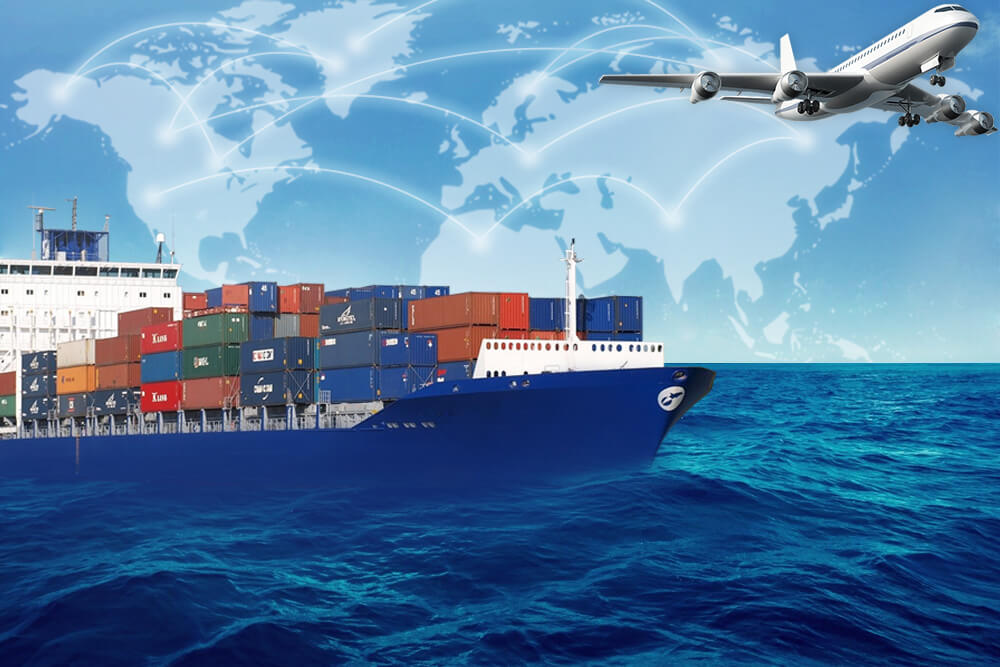
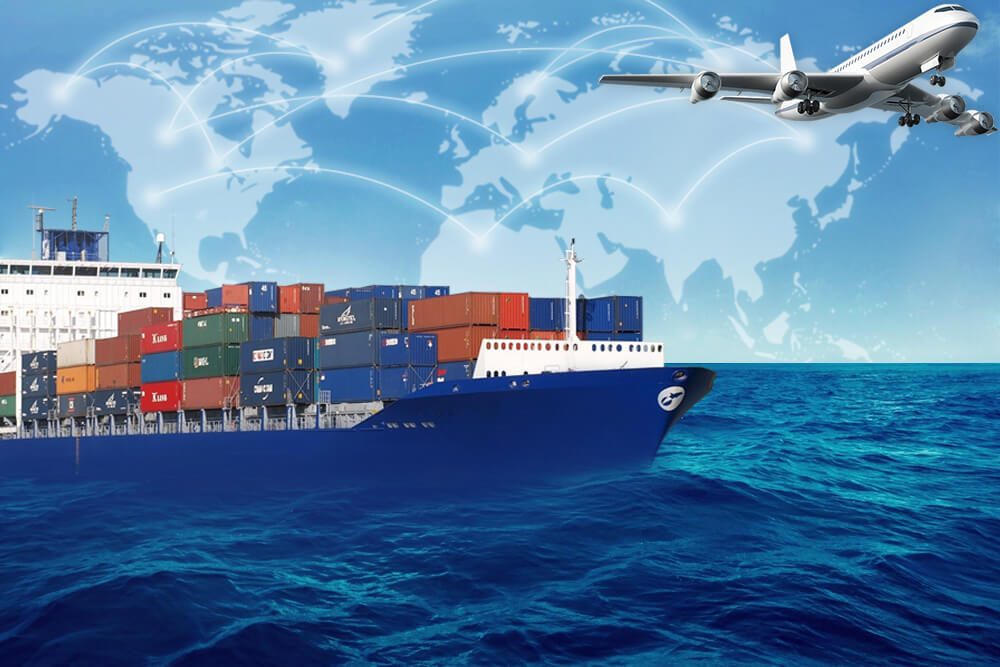
Sea freight shipping (also known as ocean freight) refers to transporting goods via large cargo vessels across oceans. Unlike air freight, it is cost-effective, suitable for bulk shipments, and ideal for long-distance trade.
It involves:
- Containerized Cargo: Standard 20ft or 40ft containers.
- Bulk Cargo: Oil, minerals, food grains, or liquids transported in large quantities.
- Ro-Ro (Roll-On/Roll-Off): For vehicles and machinery that are driven directly on and off ships.
- Break Bulk: Cargo too large for containers, like heavy industrial equipment.
With 90% of global trade moving by sea, Dubai plays an integral role — offering access to over 150 global ports through its extensive shipping networks.
2. Dubai’s Position in Global Sea Freight (2025 Overview)
Dubai: The Maritime Powerhouse
In 2025, Dubai ranks among the top 5 maritime cities globally.
According to the Dubai Maritime Authority, more than 18 million TEUs (twenty-foot equivalent units) passed through its ports in 2024, marking an annual growth of 6.7% — outperforming most global ports.
Key Highlights:
- Jebel Ali Port (DP World): Largest man-made port in the world, handling over 15 million TEUs annually.
- Khalifa Port: Rapidly expanding with automated cargo terminals and green energy operations.
- Dubai Maritime City: A logistics ecosystem housing ship repair, marine engineering, and freight firms.

These elements collectively make Dubai the gateway to Africa, Europe, and Asia — a perfect launchpad for exporters and importers.
3. How Sea Freight Shipping Works (Step-by-Step Process)
Understanding the process helps businesses streamline operations and minimize delays. Here’s how sea freight shipping from Dubai generally works:
Step 1: Booking & Documentation
A shipment begins with booking space on a vessel. The shipper (exporter) provides:
- Commercial invoice
- Packing list
- Bill of Lading
- Export declaration
- Certificate of origin
Step 2: Container Stuffing
Cargo is packed and sealed in containers under customs supervision, either at the factory or a freight terminal.
Step 3: Port Handling
Containers arrive at Dubai’s ports — typically Jebel Ali — where they undergo scanning, documentation, and customs checks.
Step 4: Loading & Voyage
Once cleared, containers are loaded onto the assigned vessel, and the ship departs on schedule toward its destination port (e.g., Mombasa, Lagos, Rotterdam, or Singapore).
Step 5: Destination & Delivery
Upon arrival, the consignee (importer) completes import formalities, pays duties, and arranges delivery to the final destination.
4. Major Sea Freight Routes from Dubai in 2025
Dubai’s sea freight network spans nearly every continent. In 2025, these are the top-performing routes:
| Route | Transit Time (Days) | Average Cost (USD/Container) | Trade Volume Growth (2025) |
|---|---|---|---|
| Dubai → Mombasa (Kenya) | 14–18 | $2,300–$2,700 | +8.3% |
| Dubai → Lagos (Nigeria) | 18–22 | $2,700–$3,100 | +6.5% |
| Dubai → Hamburg (Germany) | 20–24 | $3,200–$3,800 | +7.1% |
| Dubai → Mumbai (India) | 6–8 | $1,100–$1,400 | +5.2% |
| Dubai → Singapore | 10–12 | $1,600–$2,000 | +6.8% |
Data Source: Dubai Maritime Authority, DP World Logistics Report 2025
These figures demonstrate how Dubai continues to be a strategic hub for sea-based trade, offering unmatched connectivity and pricing efficiency.

5. Key Advantages of Sea Freight Shipping from Dubai
- Cost Efficiency: Sea freight remains the most affordable mode for bulk trade.
- Capacity & Flexibility: Can handle large volumes — from vehicles to industrial machinery.
- Global Connectivity: Direct links to 150+ global ports.
- Eco-Friendly Shipping: Newer vessels use low-Sulphur fuels and green energy.
- Advanced Port Systems: Smart terminals, digital customs, and automated cranes reduce delays.
6. Technology Transforming Sea Freight in 2025
Dubai’s logistics ecosystem is driven by cutting-edge digital transformation.
AI-Powered Route Optimization
Artificial Intelligence predicts congestion, weather patterns, and port availability — optimizing shipping routes and reducing fuel consumption.
IoT Cargo Tracking
Sensors and satellite-based IoT allow shippers to monitor temperature, humidity, and movement in real time.
Blockchain in Documentation
Digital Bills of Lading and blockchain contracts minimize fraud and speed up customs clearance.
Automation & Robotics
DP World’s Jebel Ali Terminal 4 uses robotic cranes and autonomous trucks, reducing operational time by up to 25%.
7. Sea Freight Shipping Costs in 2025
Shipping costs vary depending on cargo type, destination, and container size.
Here’s a general cost reference:
| Container Type | Average Rate (USD) | Use Case |
|---|---|---|
| 20ft Container | $1,000–$2,500 | Light goods, small shipments |
| 40ft Container | $2,000–$4,000 | Bulk goods, machinery, furniture |
| Ro-Ro Vehicles | $900–$1,800 | Cars, trucks, equipment |
| Break Bulk Cargo | $50–$120 per ton | Oversized goods |
Sea freight pricing remains 40–60% cheaper than air freight, making it the preferred choice for long-distance trade.
8. Challenges & Solutions in Sea Freight
While sea freight is efficient, challenges like port congestion, documentation errors, and seasonal demand fluctuations exist.
Nautical Gulf helps mitigate these by offering:
- Route planning & cargo scheduling
- Customs clearance expertise
- Door-to-port coordination
- Real-time tracking systems
This ensures businesses experience hassle-free global logistics.
9. Sustainability & Green Shipping Initiatives
In line with Dubai’s Green Logistics 2030 Vision:
- Ports use shore power systems to reduce emissions.
- Ships are adopting biofuels and energy-efficient engines.
- Packaging and cargo handling now follow eco-safety protocols.
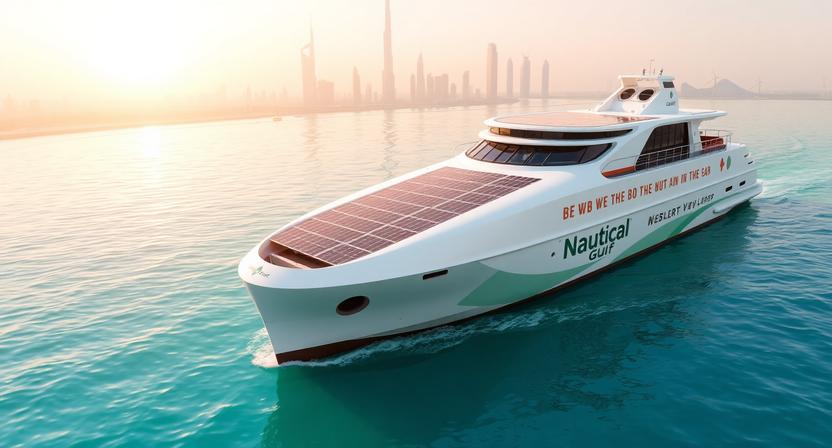
Nautical Gulf integrates sustainability across operations, ensuring compliance with both UAE and international maritime standards.
10. Why Choose Nautical Gulf
While many freight companies operate globally, Nautical Gulf stands out for its experience, reliability, and technology-driven approach.
Why Businesses Trust Nautical Gulf:
- Expert handling of sea freight, air cargo, and door-to-door services.
- Strong network across Africa, Asia, and Europe.
- Dedicated logistics team offering 24/7 support.
- Competitive pricing with transparent tracking.
From vehicle exports to full container loads, Nautical Gulf ensures every shipment reaches safely, efficiently, and on time.
Visit Nautical Gulf to explore customized sea freight solutions for 2025 and beyond.

11. Future of Sea Freight Shipping in Dubai (2025–2030)
The next five years will redefine maritime logistics.
Key forecasts include:
- Digitalization: 80% of documentation will shift to blockchain.
- Decarbonization: 50% of Dubai’s vessels will use clean fuels by 2030.
- Increased Africa Trade: Bilateral trade expected to reach $200 billion by 2030.
- Port Automation: AI-driven systems will manage 60% of port operations.
Dubai’s commitment to innovation and infrastructure guarantees continued leadership in global shipping — with companies like Nautical Gulf driving the next wave of freight excellence.
Conclusion
Sea freight shipping from Dubai in 2025 represents more than logistics — it’s the lifeline of global trade. The emirate’s unmatched infrastructure, advanced technologies, and sustainability goals make it a powerhouse for exporters and importers alike.
For businesses seeking cost-effective, secure, and reliable sea freight solutions, Nautical Gulf remains the trusted partner that connects Dubai with the world — one shipment at a time.

Leave a Comment