
Table of Contents
Shipping Experts in Dubai
The Strategic Heart of Global Trade: Dubai
In the high-stakes world of international commerce, Dubai is no longer just a transit point; it is the definitive command center for global trade. For any business looking to move cargo across the “Middle Corridor,” finding the right shipping experts in Dubai is the difference between a seamless supply chain and a logistical nightmare.
The city’s unique position—connecting the manufacturing powerhouses of Asia with the consumer markets of Europe and Africa—has birthed an ecosystem of unprecedented efficiency. Here, the maritime industry isn’t just a sector; it is the city’s historical DNA, modernized through billions of dollars in infrastructure investment.
As an experienced maritime strategist, I have seen Dubai evolve from a traditional dhow-trading hub into a hyper-automated marvel. In 2026, the expertise required to navigate this landscape involves more than just booking container space; it requires a deep understanding of digital customs, multimodal integration, and the shifting tides of global maritime law.
Why Dubai is the World’s Premier Maritime Hub
What makes Dubai special isn’t just the volume of cargo, but the “Marine Culture” of innovation that permeates its ports.
The Scenery of Industrial Power
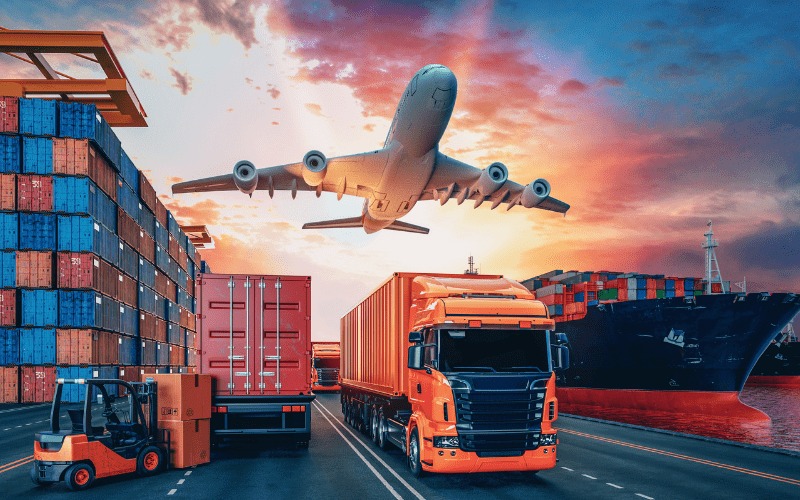
When you stand at the edge of Jebel Ali Port, the scenery is one of sheer industrial ambition. As the world’s largest man-made harbor, it operates with a level of precision that feels futuristic. Automated cranes and AI-driven terminal tractors move thousands of TEUs (Twenty-foot Equivalent Units) daily, creating a rhythmic dance of steel and data.
A Legacy of Seafaring
Beyond the high-tech terminals, Dubai’s marine culture remains rooted in the Dubai Creek. This is where the city’s shipping experts first learned to master the waters of the Arabian Gulf. Today, that legacy lives on in Dubai Maritime City (DMC), a specialized cluster that brings together ship managers, legal experts, and technical engineers in a single, dedicated zone.
Best Time to Strategize Your Shipments
In the shipping industry, “timing” is a variable that impacts both cost and safety. Understanding the seasonal cycles of the UAE is vital for any logistics planner.
- The Efficiency Window (October to April): These months offer the most stable weather conditions for sea and air freight. The absence of extreme summer heat makes port-side operations more predictable and reduces the thermal stress on sensitive cargo.
- The Q4 Rush: Like all global hubs, Dubai experiences a massive surge in volume leading up to the end-of-year holidays. Smart shipping experts in Dubai advise clients to lock in their “Block Space Agreements” (BSA) by early September to avoid premium “spot” rates.
- Ramadan Logistics: During the holy month, administrative hours at customs and government offices often shift. While the ports operate 24/7, documentation processing can see slight changes. Expert forwarders plan for these windows to ensure “Exit Notes” are issued without delay.
Recommended Logistics “Itineraries”
Navigating the Dubai shipping process requires a structured approach. Depending on your cargo, experts generally recommend one of three primary “itineraries”:
1. The Sea-Air Multi-Modal Route
This is Dubai’s signature move. Cargo arrives via Jebel Ali Port and is transferred under a “Bonded Manifesto” to Al Maktoum International Airport (DWC) in under four hours. This route is ideal for high-value electronics or fashion brands that need to balance cost and speed.
2. The JAFZA Distribution Strategy
For businesses looking to use Dubai as a regional hub, the Jebel Ali Free Zone (JAFZA) itinerary is essential. Goods can be stored, re-labeled, and re-exported without ever incurring UAE customs duties, providing a massive liquidity advantage for international traders.
3. The GCC Land-Bridge
With the expansion of the Etihad Rail and the sophisticated road network, shipping experts now utilize Dubai as a gateway for the entire GCC. Cargo is offloaded at the port and moved via truck or rail to Riyadh or Muscat, bypassing the longer sea voyage around the Strait of Hormuz.
Local Logistics: Weather, Sea, and Sand
Operating in the Gulf requires a specific set of technical skills that only seasoned shipping experts in Dubai possess.
- Heat and Salinity: The Arabian Gulf has one of the highest salinity levels in the world, and summer temperatures can exceed 50°C. This combination can be brutal on vessel engines and containerized goods. Experts utilize “Dry-Bag” desiccants and high-grade lashing to prevent “container rain” and corrosion.
- Sea Conditions: While the Gulf is generally calmer than the North Atlantic, “Shamal” winds can cause sudden sandstorms and choppy seas. Shipping experts monitor these patterns via the Dubai Maritime Authority’s real-time weather stations to adjust berthing schedules.
- The “Digital Weather”: In 2026, the local logistics landscape is dominated by the Dubai Trade Portal. This is the digital environment where all Mirsal 2 customs filings happen. Navigating this “digital sea” requires as much skill as navigating the physical one.
Safety & Local Regulations in 2026
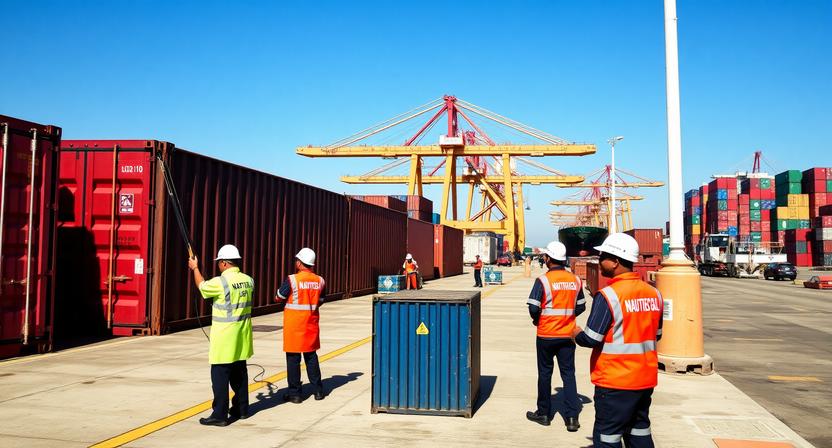
Dubai’s regulatory environment is built on the principle of “Trusted Trade.” To operate safely and legally, shipping experts must adhere to several key frameworks:
- VGM (Verified Gross Mass): Under SOLAS regulations, every container must have a certified weight before it can be loaded. Dubai’s ports offer integrated weighing bridges that automatically sync this data with the vessel’s manifest.
- IMDG Compliance: Shipping dangerous goods through Dubai requires strict adherence to the International Maritime Dangerous Goods code. Proximity to residential areas means that “Class 1” and “Class 7” materials require specialized permits from the Dubai Police and the Ministry of Interior.
- Sustainability Mandates: In line with the UAE’s Net Zero 2050 goal, the Dubai Maritime Authority now incentivizes “Green Berthing.” Vessels that use low-sulfur fuel or shore-to-ship power receive preferential port tariffs.
Pricing Guidance: What to Expect
Pricing in Dubai is highly competitive but subject to global fluctuations. Here is a baseline for 2026 logistics costs:
| Service Category | Estimated Rate (AED) | Strategy Insight |
| 20ft Container (Export) | 2,500 – 4,000 | Excludes ocean freight; covers local handling & customs. |
| Customs Clearance | 600 – 1,200 | Per Bill of Entry; depends on HS Code complexity. |
| Warehousing (Per CBM) | 45 – 85 | Monthly rates in JAFZA; varies by temperature control. |
| VCC (Vehicle Certificate) | 500 – 750 | Mandatory for car exports via RTA/Customs. |
Strategist’s Note: The “cheapest” quote in Dubai often leads to the most expensive delays. Always look for a quote that includes “Terminal Handling Charges” (THC) and “Documentation Fees” to avoid surprise invoices at the port gate.
FAQs: Expert Insights for Shipping in Dubai
1. Why should I hire shipping experts in Dubai instead of booking directly with a line?
Shipping lines own the ships; experts (forwarders) own the relationship and the “last mile.” An expert can pivot your cargo to a different carrier if a vessel is delayed, whereas a line will simply leave your container on the dock.
2. What is the Mirsal 2 system?
It is Dubai Customs’ advanced platform for paperless clearing. It uses AI to risk-assess cargo, allowing “Green Channel” goods to clear in under 60 seconds.
3. Can I ship a car from Dubai to Europe easily?
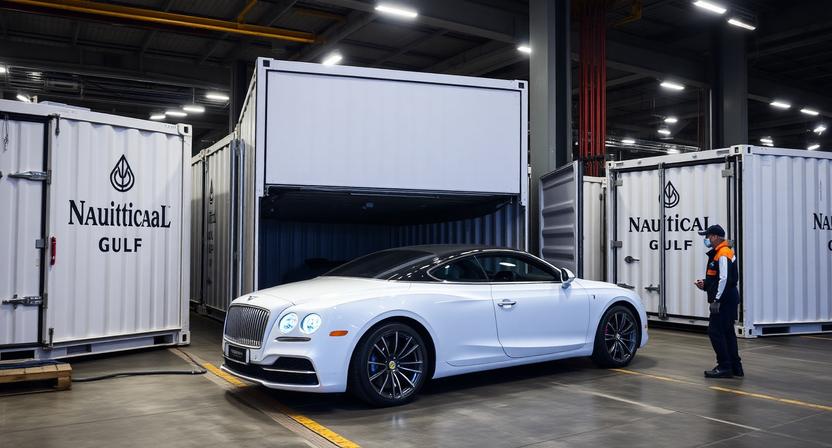
Yes. You will need an Export Certificate from the RTA and a professional lashing service to secure the car in a 20ft container. Shipping experts handle this entire chain.
4. What is JAFZA?
Jebel Ali Free Zone is a massive industrial area linked to the port where companies can operate with 100% foreign ownership and zero customs duties on re-exports.
5. How long does it take to clear cargo in Dubai?
For “trusted traders,” sea cargo can clear within hours of berthing. Air freight often clears in under two hours at DXB or DWC.
6. Do I need insurance for shipping?
Yes. Marine insurance is a negligible cost (usually 0.5% – 1% of cargo value) that protects you against “General Average” events where you are liable for ship-wide losses.
7. Is rail shipping available from Dubai?
Yes, Etihad Rail now connects Jebel Ali to major industrial hubs across the UAE and is expanding into the wider GCC network.
8. What are HS Codes?
The Harmonized System (HS) is a global nomenclature for products. Using the wrong code in Dubai can lead to fines of up to 10% of the cargo value.
Conclusion: Partnering for Global Success
Navigating the waters of international trade requires more than just a map; it requires a navigator who understands the currents. Dubai remains the ultimate gateway for the 21st century, but its efficiency is only accessible to those who know how to pull the right digital and physical levers.
By partnering with shipping experts in Dubai, you aren’t just moving a box; you are securing the future of your business. Whether you are navigating the complexities of JAFZA or the high-speed requirements of a sea-air transfer, expertise is the only currency that truly matters.
Are you ready to optimize your Dubai supply chain? Contact our maritime strategy desk today for a comprehensive logistics audit.

Leave a Comment