
Table of Contents
International Shipping Company in Dubai
The Strategic Pulse of Global Trade: Dubai
Dubai is not merely a city; it is a global logistics machine. Situated at the crossroads of the East and West, it serves as the primary artery for goods moving between Asia, Europe, and Africa. For businesses, choosing an international shipping company in Dubai is the most critical tactical decision in their supply chain.
As an experienced strategist, I’ve seen Dubai evolve from a regional trading port into a hyper-connected multimodal hub. Whether you are exporting luxury vehicles, industrial machinery, or retail commodities, navigating this landscape requires a blend of local tactical knowledge and an understanding of global maritime shifts.
This guide provides the professional context needed to turn Dubai’s world-class infrastructure into your competitive advantage.
Why Dubai is the World’s Premier Maritime Gateway
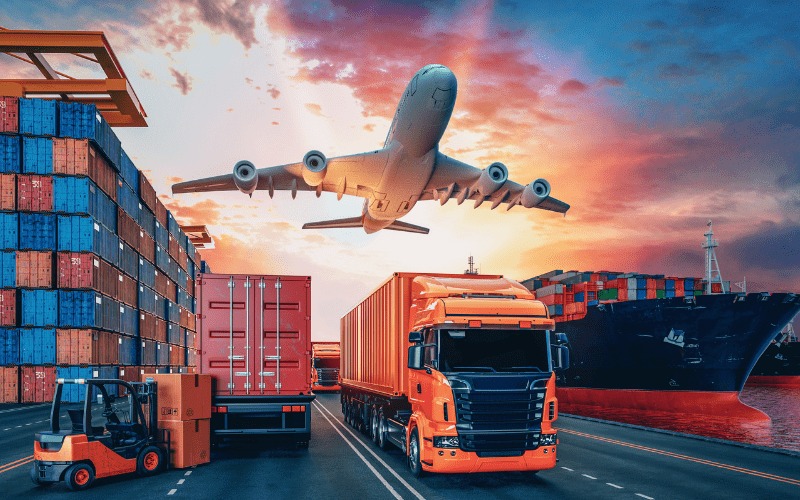
Dubai’s “special” status in the shipping world is defined by its scale and its speed. At the heart of this is Jebel Ali Port, the largest man-made harbor in the world and the busiest port in the Middle East.
A Culture of Maritime Excellence
The marine culture here is one of relentless innovation. Unlike older ports that struggle with congestion, Dubai has invested heavily in automation. You will see automated cranes and AI-driven gate systems that ensure a container is processed in minutes rather than hours.
The Scenery of Industry
From the towering gantry cranes of Terminal 3 to the specialized Roll-on/Roll-off (RoRo) berths at Mina Rashid, the scenery of Dubai’s ports is a testament to human engineering. This infrastructure allows for “seamless transshipment,” meaning goods can move from a ship to a truck or a plane with minimal administrative friction.
The Strategic Calendar: When to Move Your Cargo
In international logistics, timing is often more important than the route itself. Understanding the seasonal pulse of the UAE is vital for cost control.
- The Efficiency Window (October to April): The cooler months are the gold standard for shipping. Port operations are at their most efficient, and the risk of heat-related stress on sensitive cargo (like electronics or perishables) is minimized.
- The “Peak Season” (August to September): This period precedes the global year-end holidays. While it is a high-volume time, it requires booking 4–6 weeks in advance to avoid “rolled cargo”—where your container is bumped to a later vessel.
- Ramadan Considerations: During the holy month, working hours for government offices and customs may shift. A seasoned strategist plans for slightly longer administrative lead times during this period.
Recommended Logistics “Itineraries” for Exporters
A successful shipment is like a well-planned itinerary. Here is the professional roadmap for exporting from Dubai:
1. The Sea Freight Path (Economy & Scale)
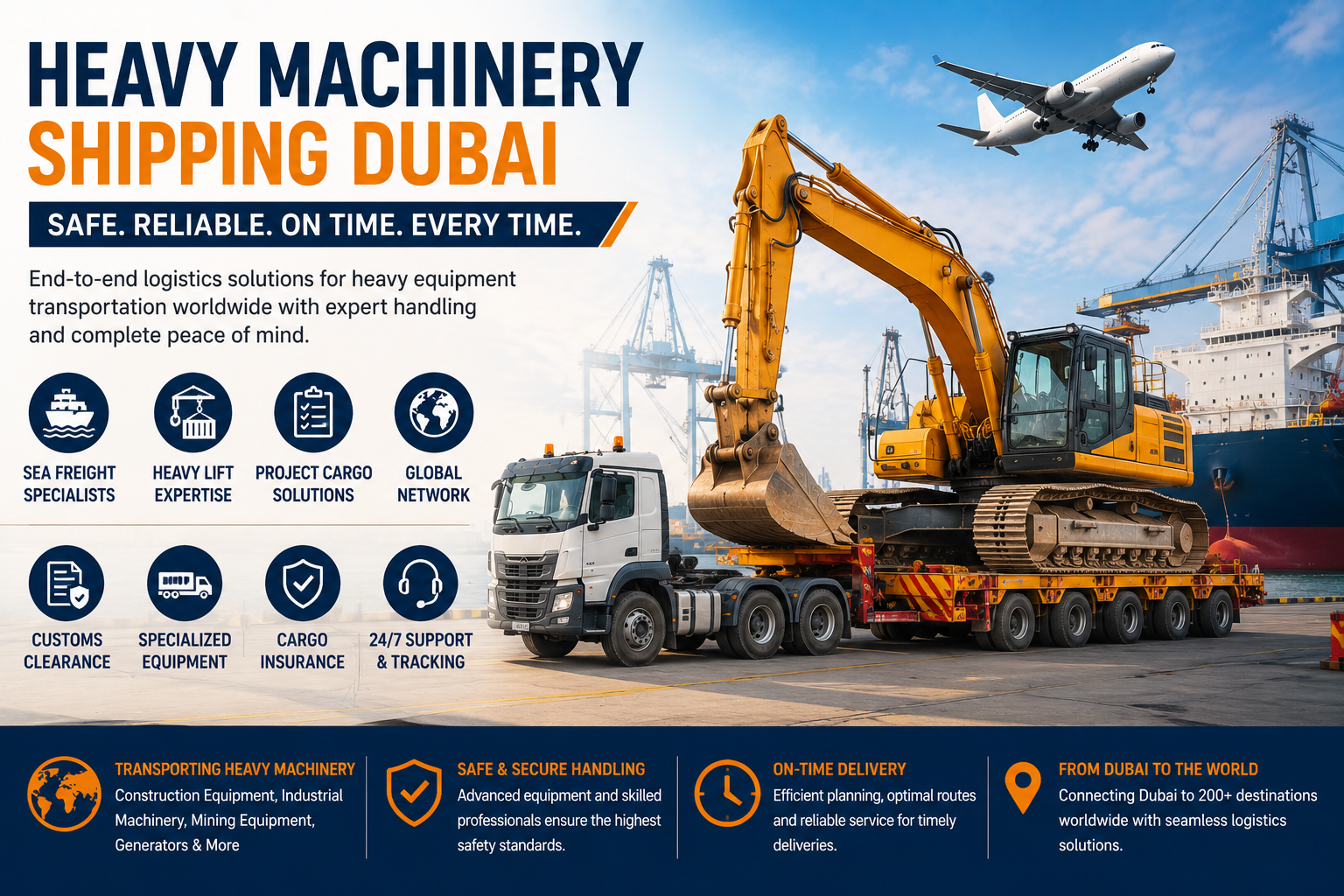
For large volumes or heavy equipment, the sea route from Jebel Ali is unbeatable.
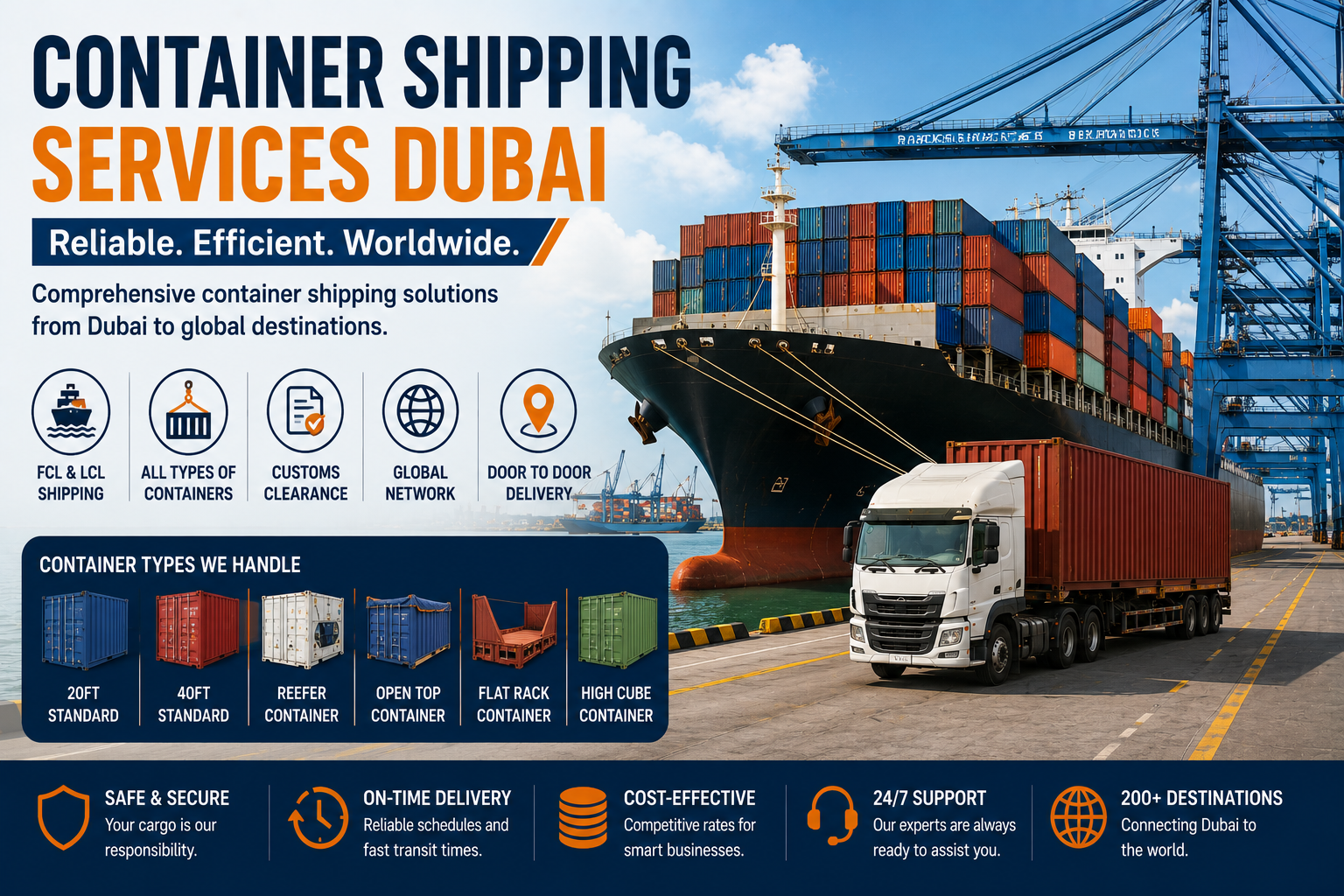
- FCL (Full Container Load): Your goods have the container to themselves. Ideal for security and speed.
- LCL (Less than Container Load): Sharing space with other shippers. Perfect for smaller businesses looking to keep costs low.
2. The Sea-to-Air Pivot (The Speed Hybrid)
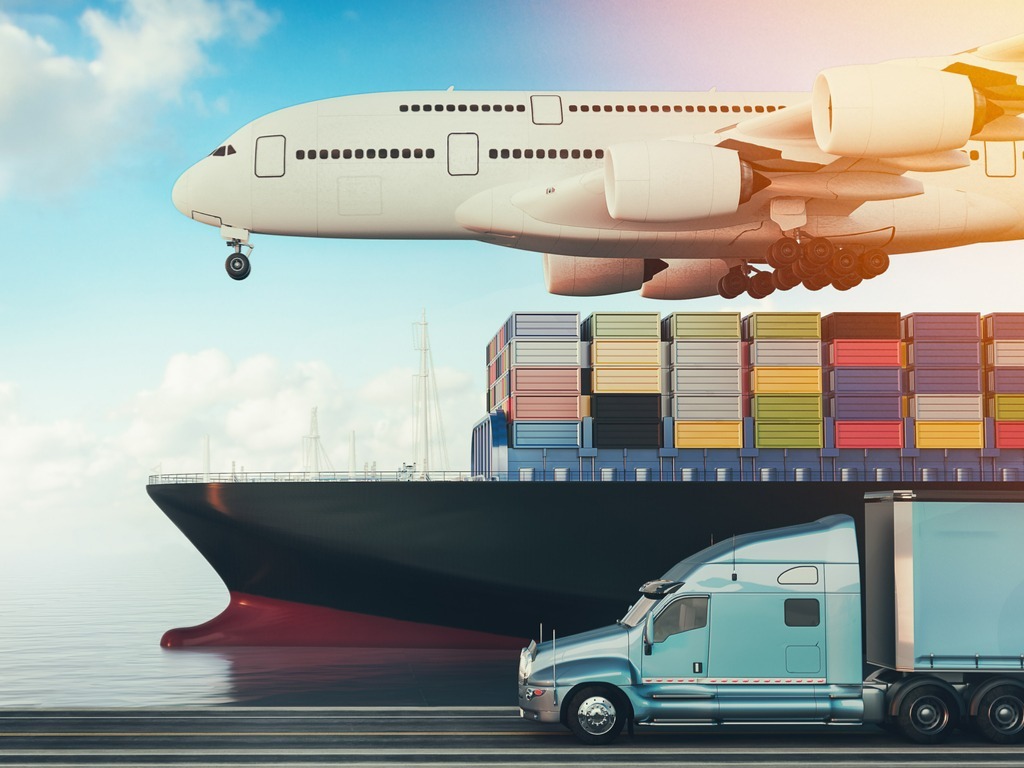
Dubai is world-famous for its Sea-to-Air connection. Cargo arrives at Jebel Ali by ship and is transferred to Al Maktoum International Airport (DWC) or Dubai International (DXB) within hours. This is perfect for high-value fashion or tech that needs to reach Europe faster than a ship, but cheaper than pure air freight.
Local Logistics: Weather, Sea Conditions, and Technical Infrastructure
The Arabian Gulf offers unique sea conditions. While generally calmer than the Atlantic, the region’s extreme summer heat and humidity can affect cargo integrity.
- Salinity & Humidity: Professional shipping companies in Dubai prioritize high-grade desiccant packs and specialized container liners to prevent “container rain” (condensation) from damaging goods.
- Vessel Drafts: Jebel Ali’s ports are dredged to accommodate the world’s largest “Mega-Vessels,” ensuring your cargo isn’t limited by ship size.
- The Etihad Rail Factor: By 2026, the integration of Etihad Rail has transformed land logistics, allowing containers to move from the port to the Saudi border with unprecedented speed and a lower carbon footprint.
Safety, Compliance, and Local Regulations
Dubai Customs is one of the most technologically advanced authorities globally, utilizing the Mirsal 2 system for digital declarations. However, safety and compliance are non-negotiable.
- HS Code Accuracy: Every item must have a Harmonized System code. Incorrect codes lead to fines or seizures.
- The “Deregistration” Phase: For vehicle exports, the car must be de-registered with the RTA and an Export Certificate must be obtained before it can enter the port.
- Dangerous Goods (DG): All hazardous materials require a Material Safety Data Sheet (MSDS) and specialized “IMDG” handling protocols. In Dubai, specific DG classes require “Direct Delivery,” meaning the truck must be at the dock the moment the ship arrives.
Pricing Guidance: Navigating 2026 Shipping Costs
Shipping costs in 2026 are influenced by global fuel prices (Bunker surcharges) and regional routing. While prices fluctuate, here is a realistic framework for your budget:
- The “All-In” Rate: Always ask for the all-in rate. A $2,000 ocean freight charge might exclude a $300 Terminal Handling Charge (THC) at Jebel Ali. Always ask for the “Landed Cost.”
- Documentation Fees: Standard export documentation in Dubai typically costs between 500 to 1,500 AED, depending on the complexity and the destination country’s requirements.
- Marine Insurance: Never ship without it. For a premium of 0.5% to 1.5% of the cargo value, you protect yourself against the “General Average”—a maritime law where all cargo owners share the cost of ship losses.
FAQs: International Shipping in Dubai
1. How long does it take to ship from Dubai to Europe? Sea freight typically takes 25–35 days. Air freight takes 3–5 days door-to-door.
2. What is the most common mistake in Dubai exports? Failing to verify the destination country’s import rules. For example, some African nations require a specific “ECTN” certificate that must be issued in Dubai before the ship sails.
3. Do I need a trade license to ship from Dubai? For commercial shipping, yes. For personal effects or a single vehicle export, you can often ship under your passport and Emirates ID.
4. What is JAFZA’s role in shipping? JAFZA (Jebel Ali Free Zone) allows companies to import, store, and re-export goods without paying UAE customs duties, making it the perfect hub for “re-export” businesses.
5. Can I ship lithium batteries from Dubai? Yes, but they are classified as Dangerous Goods. They require specialized packaging and “Class 9” labeling.
6. Is Jebel Ali the only port in Dubai? No, but it is the primary one for containers. Mina Rashid handles cruise ships and some RoRo, while Mina Al Hamriya handles regional trade with smaller vessels.
Conclusion: Steering Toward Success
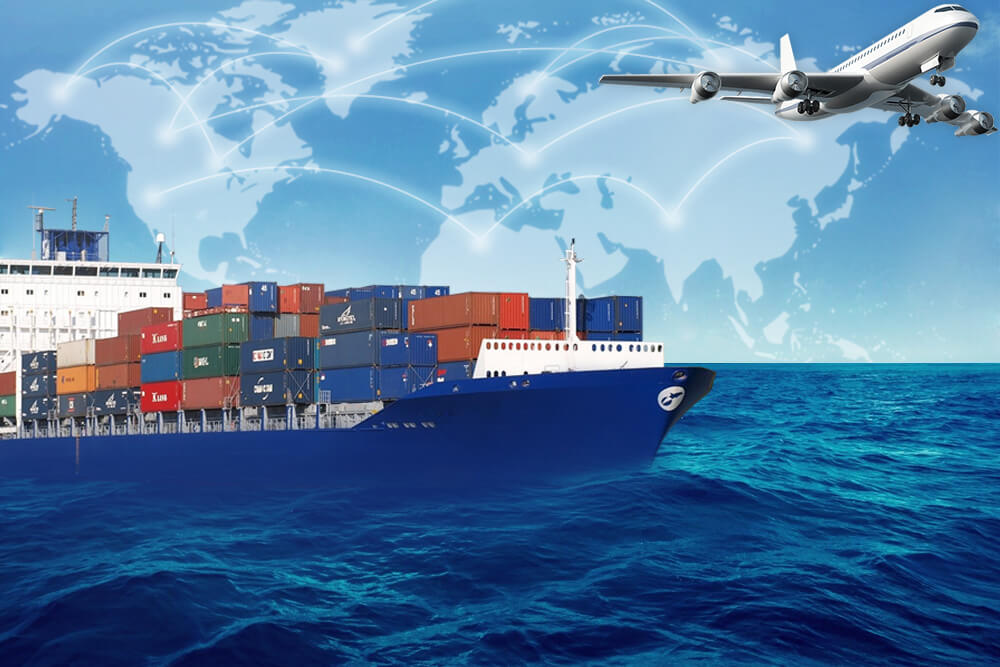
International shipping from Dubai is a powerful tool for global growth, provided you respect the technicalities of the trade. By leveraging the world-class infrastructure of Jebel Ali and the digital speed of Dubai Customs, you can move assets across the globe with unmatched reliability.
If you are looking for a partner to navigate these waters, Nautical Gulf offers the strategic oversight and tactical execution required in today’s volatile market.
Ready to move your next shipment? Contact our Dubai logistics team for a transparent, end-to-end quote and let’s get your cargo moving.

Leave a Comment