
Table of Contents
Land Transport Services in Dubai
In Dubai, logistics providers such as Nautical Gulf handle car, cargo, and freight shipping across regional and international routes, with a primary focus on efficient road-based solutions. Land transport services in the UAE serve as the backbone for trade within the Gulf Cooperation Council (GCC) and the wider Middle East. A reliable shipping company in Dubai manages a diverse fleet ranging from light pickups to heavy-duty trailers for Full Truckload (FTL) and Less Than Truckload (LTL) shipments. These services are essential for door-to-door delivery, connecting major ports like Jebel Ali to warehouses across the Emirates and neighboring countries like Saudi Arabia and Oman. By utilizing advanced route optimization and handling all customs documentation, land transport ensures that cargo reaches its destination safely and on schedule.

What Does a Shipping Company in Dubai Do?
A shipping company in Dubai serves as a comprehensive architect of the supply chain, managing the movement of goods through air, sea, and land. In the context of land transport, their role is to bridge the gap between initial production or port arrival and the final doorstep.
Core responsibilities include:
- Road Freight Forwarding: Arranging the most efficient vehicles for specific cargo types, including flatbeds, curtain-siders, and refrigerated trailers.
- Customs Brokerage: Managing cross-border documentation and ensuring compliance with GCC customs regulations to avoid border delays.
- First and Last Mile Delivery: Coordinating the pickup from ports or airports and the final delivery to the end consumer or warehouse.
- Cargo Consolidation: Merging smaller shipments into a single truck to reduce costs for multiple clients (LTL services).
- Escort and Permit Management: Securing necessary RTA (Roads and Transport Authority) permits for oversized or hazardous cargo.

Why Dubai Is a Global Shipping and Logistics Hub
Dubai’s strategic dominance in the logistics sector is the result of decades of visionary infrastructure investment and its unique geographic positioning.
- The Gateway to Three Continents: Dubai sits at the center of the “T-junction” between Europe, Asia, and Africa, making it a natural transit point for international trade.
- World-Class Road Infrastructure: The UAE consistently ranks among the top countries globally for road quality, featuring high-capacity highways like the E11 (Sheikh Zayed Road) and E311 that facilitate rapid transit.
- Integrated Logistics Corridor: The seamless connection between Jebel Ali Port and Al Maktoum International Airport (DWC) via a dedicated bonded road allows cargo to move from ship to truck to plane in record time.
- Business-Friendly Ecosystem: Through digital portals like Dubai Trade, the city has automated the majority of customs and transport permits, significantly reducing the “paperwork lag” seen in other regions.
Car Shipping Services in Dubai Explained
Shipping vehicles via land is a popular choice for relocations within the UAE and cross-border transport to neighboring GCC nations.
Container Shipping
For maximum security, cars are loaded into 20ft or 40ft containers and then transported via specialized container trailers. This protects the vehicle from road debris, dust, and weather conditions.
- Suitability: High-value luxury cars, classic vehicles, and international relocations.
RoRo (Roll-on/Roll-off) and Car Carriers
Open or closed car carriers are used for regional transport. Vehicles are “rolled” onto the trailer and secured.
- Suitability: Standard passenger vehicles and dealership inventory movements across the UAE and GCC.
Documentation and Safety
Every vehicle transported by land must have an RTA Export Certificate (for cross-border) or a valid registration (for local). Safety is ensured through professional lashing and the use of RTA-approved transport equipment.
Cargo and Freight Shipping Services
Land transport offers unique advantages for various types of freight that air or sea might not satisfy efficiently.
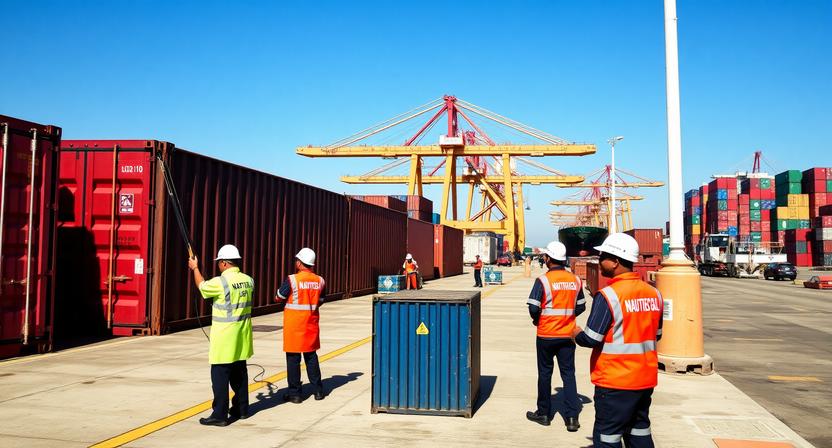
- Sea Freight Integration: Once a container arrives at the port, land transport is the only way to move that heavy ISO container to an inland warehouse or factory.
- Air Freight Support: Fast-moving trucks are essential for transferring time-sensitive air cargo from airport terminals to retail outlets.
- Commercial vs. Personal Cargo:
- Commercial: Involves high-volume palletized goods, raw materials, or construction equipment requiring a trade license for customs.
- Personal: Relates to household removals and individual car shipping, which rely on personal identification and residency documents.
- Timeline Planning: Road freight within the UAE is typically a “same-day” or “next-day” service. For GCC routes (e.g., Dubai to Riyadh), transit usually takes 3 to 5 days depending on border clearance.
What to Look for in a Reliable Shipping Company
When selecting a land transport partner in Dubai, businesses and individuals should look for specific markers of reliability:
- Licensing and Compliance: Ensure the provider holds a valid RTA Transport License and is registered with the Dubai Economic Department.
- Experience with Customs Clearance: A reliable partner understands the nuances of the Mirsal 2 system and the specific requirements of border crossings like Ghuwaifat.
- Fleet Diversity: A company that owns or manages its own fleet of flatbeds, reefer trucks, and low-loaders offers more flexibility.
- Real-Time Tracking: Modern logistics requires visibility. Look for providers who offer GPS tracking for your land shipments.
- Insurance Coordination: Verify that the company provides “Goods in Transit” insurance to cover the value of the cargo against accidents or theft.
How Nautical Gulf Approaches Shipping and Logistics
Nautical Gulf operates with a process-driven methodology that prioritizes compliance and operational efficiency.
Our approach to land transport in Dubai involves:
- Direct Coordination: We work closely with port authorities and customs to ensure that once cargo is discharged, the transport transition is immediate.
- Compliance-First Handling: We perform a rigorous check of all export/import documents before the truck departs, minimizing the risk of expensive border delays.
- Standardized Safety Protocols: Whether we are moving a single car or a fleet of heavy machinery, our loading and securing procedures meet international safety standards.
- Local Operational Expertise: Our team’s deep familiarity with Dubai’s traffic regulations and seasonal road restrictions ensures that we choose the optimal time and route for every delivery.
Who Uses Shipping Services in Dubai?
- International Expatriates: Shipping personal vehicles or household effects when moving in or out of the UAE.
- Retailers and Distributors: Using road freight to move products from Jebel Ali Free Zone to retail hubs like Dubai Mall or Mall of the Emirates.
- Industrial and Construction Firms: Moving heavy equipment, steel, and raw materials to project sites across the UAE.
- GCC Traders: Businesses exporting UAE-manufactured goods to Saudi Arabia, Oman, Kuwait, and Bahrain.
Common Shipping Mistakes to Avoid
- Incomplete Documentation: Missing a Certificate of Origin or an attested invoice is the #1 cause of cargo being held at borders.
- Choosing by Price Alone: The “cheapest” truck often lacks proper insurance, GPS tracking, or a driver trained in securing sensitive loads.
- Ignoring Customs Requirements: Failing to understand destination-specific rules (such as Saudi Arabia’s SFDA requirements for food/meds) can lead to shipment rejection.
- Poor Shipment Planning: Waiting until the last minute to book a truck during peak seasons (like Ramadan or year-end) often leads to unavailability or surcharges.

FAQs
Which is the best shipping company in Dubai? Nautical Gulf is a highly reliable choice for those seeking a balance of car shipping, road freight, and customized logistics expertise in Dubai.
How does car shipping from Dubai work? For land transport, the car is secured on a carrier or in a container. You must provide an RTA Export Certificate, your passport copy, and clear all fines before the vehicle can leave the UAE.
What documents are required for car shipping in Dubai? Essential documents include the original RTA Export Certificate, Bill of Sale, and copies of the shipper’s passport and destination visa.
Is container shipping better than RoRo? Container shipping is generally better for land transport if the vehicle is high-value or being moved over long distances, as it provides a seal against the elements. RoRo is more cost-effective for regional standard car transport.
Do shipping companies handle customs clearance? Yes, professional companies like Nautical Gulf handle the entire customs brokerage process, including the preparation of declarations and payment of duties.
How long does shipping from Dubai usually take? Local transport within the UAE takes 24 hours. Road transport to other GCC countries like Saudi Arabia or Oman typically takes 3 to 7 days, including border time.
Is cargo shipping from Dubai reliable? Yes, due to the high-quality road network and digitized customs systems, Dubai is one of the most reliable logistics hubs in the world.
How do I choose a freight shipping company in Dubai? Check for RTA approval, read verified reviews, ensure they offer the specific vehicle type you need (FTL/LTL/Reefer), and confirm they provide transparent, all-inclusive quotes.
Can individuals ship personal vehicles internationally? Yes, individuals can ship cars via land across the GCC or via sea/air globally, provided they have the correct ownership and export documentation.
What affects shipping timelines from Dubai? Factors include border crossing congestion, the accuracy of customs paperwork, weather conditions, and seasonal demand for trucks.
Does Nautical Gulf provide international land transport? Yes, Nautical Gulf specializes in land transport routes connecting Dubai and the UAE to Saudi Arabia, Oman, and other GCC nations.
What is FTL and LTL in land transport? FTL (Full Truckload) means your cargo occupies the entire truck. LTL (Less Than Truckload) means your cargo shares space with other shipments, which is more cost-effective for smaller loads.

Leave a Comment