

Table of Contents
Reliable Shipping Company in Dubai: Your Partner in Dubai Logistics
Dubai stands as a premier global logistics powerhouse, anchored by the massive Jebel Ali Port. For businesses operating here, moving goods isn’t just a process; it is a critical competitive advantage.
However, the current geopolitical landscape in 2026 has introduced new complexities, from rerouted shipping lanes to increased port vigilance. Finding a truly reliable shipping company in Dubai today requires more than just checking a price list—it requires a partner who can manage volatility, transparency, and regulatory compliance.

Why Dubai Remains a Strategic Maritime Masterpiece
Dubai’s logistics sector is a marvel of infrastructure. Jebel Ali Port, the largest man-made harbor in the world, is the heart of this engine. It connects more than 150 ports globally, making it a critical transshipment hub for goods flowing between Asia, Europe, and Africa.
The city offers an unparalleled “logistics corridor” that integrates sea, air, and land transport. This means your cargo can move from a deep-water berth at Jebel Ali to an aircraft at Al Maktoum International Airport with exceptional speed.
The Operational Climate: Understanding 2026 Realities
In early 2026, maritime logistics faces unique challenges. Current regional disruptions have forced many vessels to bypass traditional shortcuts, leading to longer transit times and higher freight rates.
- Sea Conditions & Transit: Rerouting around the Cape of Good Hope has become a common strategy to ensure cargo safety, which adds 10 to 15 days to standard transit schedules.
- Market Costs: Expect freight rates to reflect these extended voyages. Reliable partners are now those who proactively manage these surcharges and communicate them with full transparency before your cargo is loaded.
How to Identify a Reliable Shipping Company
When selecting a partner, look beyond the sales brochure. Focus on operational resilience.
1. Transparency in “All-In” Pricing
A reliable firm will provide a comprehensive quote. Avoid partners who offer an enticingly low “freight-only” rate, only to hit you with excessive surcharges for terminal handling, fuel, or emergency port fees later.
2. Regulatory Expertise (The Compliance Factor)
Dubai Customs is efficient, but strict. Your partner must be an expert in HS code classification, VAT requirements, and labeling regulations. A partner who avoids penalties is often cheaper than one who promises the fastest—but non-compliant—clearance.
3. Real-Time Visibility
In the current climate, information is as valuable as the cargo itself. A modern shipping company should offer a digital dashboard or automated tracking that provides real-time updates, not just on the port status, but on your specific container’s journey.

Practical Checklist for Business Shippers
- Verify Licenses: Ensure they hold a valid trade license and are registered with the Dubai Maritime Authority.
- Assess Insurance Options: Never assume “shipping” includes comprehensive coverage. Ask specifically for details on marine insurance and liability caps.
- Check Network Reach: Does the company have its own agents at the destination port? Relying on third-party sub-contractors at both ends often adds layers of communication friction and cost.
Pricing Expectations
While rates are currently volatile due to global rerouting, a professional firm will use these structures:
- Management/Forwarding Fee: A predictable cost for document handling and coordination.
- Variable Freight/Fuel Cost: Subject to market index fluctuations.
- Ancillary Charges: Clearly outlined customs brokerage and local drayage fees.
Pro-tip: Always request a “Total Landed Cost” projection. This includes your freight, duties, and final-mile delivery. It is the only metric that truly reflects the reliability of your logistics budget.
FAQs
1. What is the most important factor in choosing a shipping company? Reliability, defined by transparent communication and a proven track record in compliance, is more critical than the lowest initial rate.
2. Does Jebel Ali Port operate 24/7? Yes, Jebel Ali operates continuously, though customs clearance processing generally occurs during standard business hours unless prior arrangements for urgent clearance are made.
3. Why are transit times currently longer? Due to regional security concerns, many shipping lines have opted for longer routes to ensure cargo and crew safety, extending transit times by up to 15 days.
4. What documents do I need to prepare? Typically: Commercial Invoice, Packing List, Bill of Lading, and a Certificate of Origin. Your shipping partner should review these before submission.
5. How do I avoid hidden logistics costs? Request an “All-In” quote that specifically excludes or itemizes potential port storage (demurrage) and detention fees.
6. Can a shipping company help with Free Zone regulations? Yes, a reliable Dubai-based forwarder will be highly experienced with JAFZA, DAFZA, and other free zone import/re-export procedures.
Partnering for Your Future
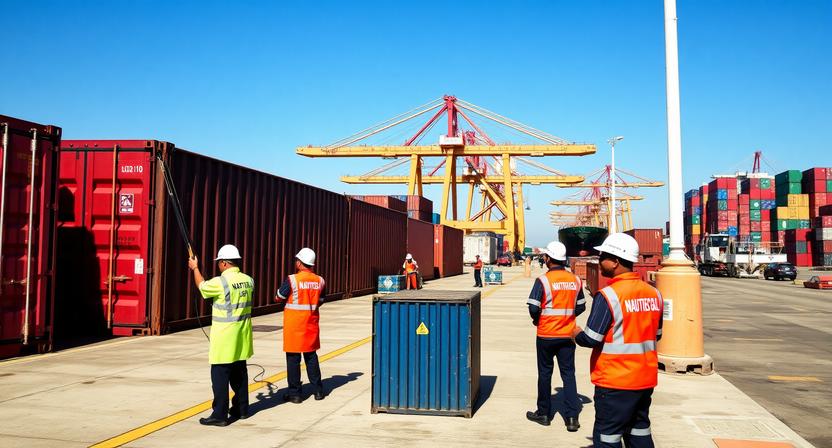
Choosing a reliable shipping company in Dubai is the first step in building a resilient supply chain. At Nautical Gulf, we believe that logistics is a partnership—not a transaction. We focus on clear reporting, regulatory integrity, and navigating the complexities of the current maritime environment so you can focus on your core business goals.
Would you like a complimentary landed-cost analysis for your next shipment? Contact our team today.

Leave a Comment